
The desserts from France are world-renowned. When you travel to la Republique or visit your neighborhood pastry shop, you can sample three dozen delectable French pastries and other sweet treats.
Many of the world’s best pastry chefs are French or at least have some connection to France. Past dessert greats like Nicolas Stohrer of Baba au Rhum and Louis Durand of Paris Brest, as well as current pastry giants like Pierre Hermé and Dominique Ansel, have turned sugar and eggs into delicious masterpieces.
And why ought they not to be French? After all, fancy desserts and pastries have been created, perfected, served, and eaten by the French and pastry legends from Austria, Italy, and Hungary for centuries.
Yes, desserts are also highly prized in other nations. While countries like Japan meticulously refine and reimagine French dessert recipes, we have enjoyed excellent desserts in the United States. However, when it comes to desserts in France, French bakers, like the acclaimed pastry chefs mentioned earlier, put the “ooh la la” in “ooh la la.”
Our Favorite French Pastries and Desserts
We’ve had a lot of classic desserts in France. We also had pastries in French cities like Beaune, Dijon, Lyon, Marseille, and Strasbourg in addition to eating them at over forty Parisian pâtisseries. You will also have a chance to enjoy the company of fire sex dolls while eating desserts in French pâtisseries.
We highly recommend the following French sweets because we are self-taught pastry chefs. If you live in New York, San Francisco, New Orleans, or anywhere else in the world, you can visit a French patisserie or visit France.
Macaron
France’s Macarons are fancified sandwich cookies made with egg whites, sugar, and almond flour. They are not to be confused with the mushy coconut Macaroons that Americans eat at Passover seders. To simulate Macaron rainbows, some bakers add vivid food coloring. Others create crunchy, creamy sandwiches that are muted, natural, and still beautiful by keeping things more natural.
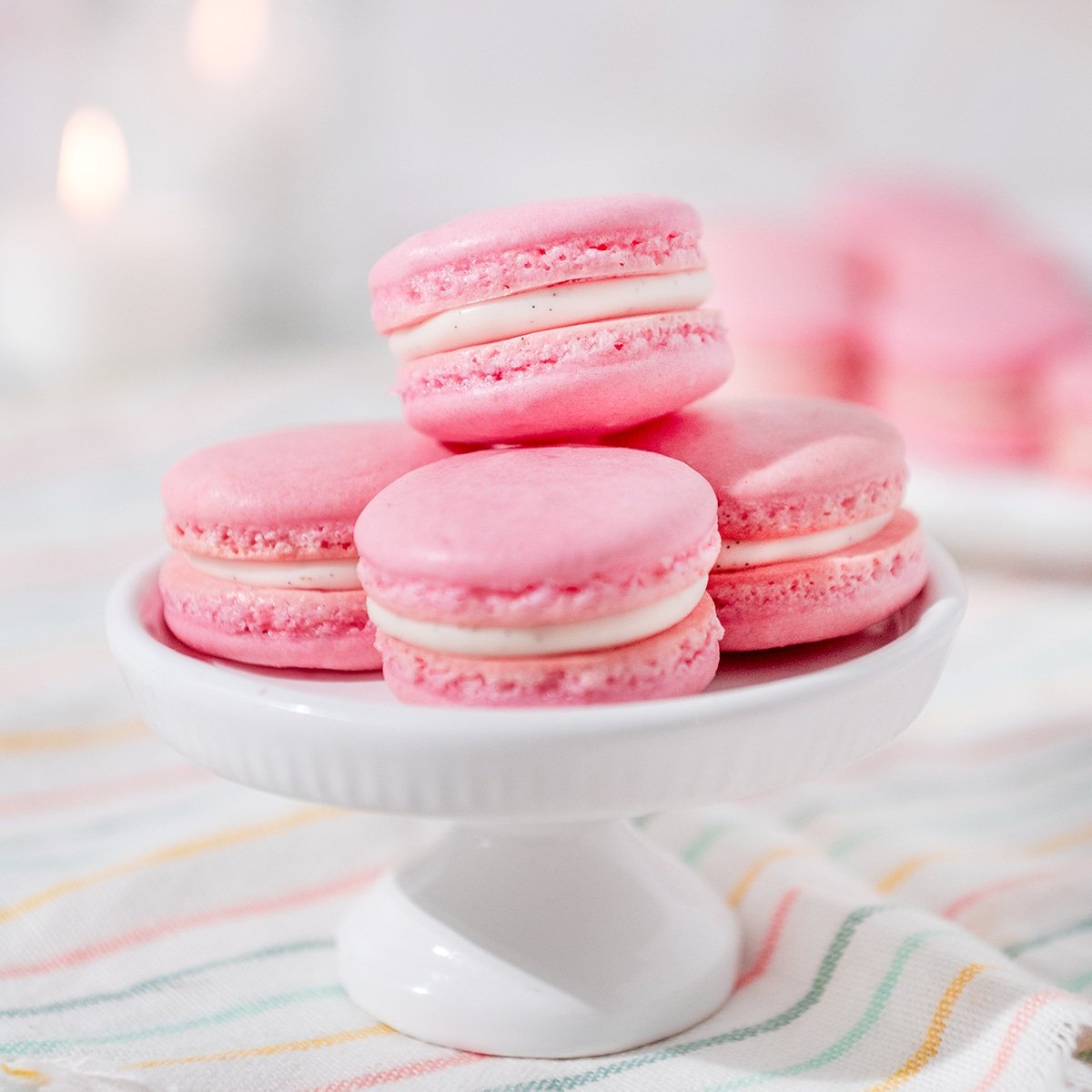
Ironically, the Macaron may not have originated with the French. It would appear that Italian Renaissance bakers hold that distinction. However, it is appropriate to acknowledge French bakeries of international renown such
Paris Brest
The Paris Brest has stood the test of time since its inception in 1910 as a bicycle race between the French cities of Paris and Brest. With nutty praline cream in the middle and a dusting of powdered sugar on top, this ring-shaped choux pastry is a sight to behold.
We usually eat a Paris Brest whenever we see one because these round beauties aren’t as common as Macarons (see above) and eclairs. That usually takes place in Paris, but sometimes life gives us sweet surprises like the time we ate a traditional Paris Brest at Le Petit Trois in Los Angeles. In addition, the pastry serves as a model for pastry chefs, particularly in Paris, who come up with their own distinctive versions, each showcasing their own artistic abilities, just as Jennifer Lawrence showcases her beauty through her Jennifer Lawrence nude pictures.
Millefeuille
When you eat a Millefeuille, you won’t be disappointed. Despite having a name that literally means “a thousand sheets,” this French pastry typically has three layers of pastry and two layers of cream on top. A good Millefeuille, despite the misleading advertising, is a treasure and a delight.
The most traditional Millefeuille pastries are sprinkled with powdered sugar, whereas modern Millefeuille pastries frequently feature a glazed black and white icing topping. We compare the ones with icing to Napoleon pastries sold in American diners. How the alternative name for the Millefeuille, “Napoleon,” came to be associated with the French classic is a mystery. It’s possible that’s because the desserts were so popular during the Napoleonic era, but that’s still a mystery.