
Maintaining optimal temperatures in commercial buildings is crucial for tenant comfort, equipment efficiency, and energy conservation. Chillers, essential for large-scale cooling needs, play a vital role in keeping spaces cool and are particularly effective in commercial environments with extensive cooling requirements. This guide offers an overview of the types of chillers, factors to consider when installing them, and maintenance tips to ensure efficient operation.
Types of Chillers: Choosing the Right System for Your Building
When selecting a chiller for a commercial property, understanding the different types of chillers available is essential. The most common types are air-cooled and water-cooled chillers, each with distinct benefits and best-use scenarios.
- Air-Cooled Chillers: Ideal for buildings with limited access to water, air-cooled chillers use fans to dissipate heat. These systems are relatively low-maintenance and easier to install, making them a popular choice for smaller or medium-sized commercial buildings. While typically less energy-efficient than water-cooled options, air-cooled chillers are more resilient in outdoor environments and can handle varying temperatures without sacrificing cooling performance.
- Water-Cooled Chillers: Designed for larger buildings, water-cooled chillers use a water tower to cool the system. While they are more efficient in energy consumption, they require access to a water source and routine maintenance to prevent scaling and fouling. These systems are often used in high-rise buildings or places where energy efficiency is prioritized over initial costs, as they offer long-term savings on energy bills.
Depending on your building’s location, layout, and cooling needs, a hybrid chiller system that combines air and water cooling might also be suitable. Consulting with an HVAC specialist can help identify the best choice for your building’s needs and budget.
Installation Considerations: Key Factors for a Successful Setup
The installation of a chiller is a complex process requiring careful planning to ensure efficiency and longevity. First, consider the chiller’s location. Air-cooled chillers are usually installed outside or on rooftops, requiring adequate space for airflow and heat dissipation. Water-cooled chillers, however, need a mechanical room with access to a cooling tower and proper drainage to prevent water damage.
Next, assess your building’s cooling load, which is determined by factors like building size, climate, and the nature of operations. An undersized chiller will overwork, reducing efficiency, while an oversized unit leads to unnecessary energy consumption which can be a problem but to fix all your doubts you can call chiller services in Chicago. Accurate load calculations are essential for choosing a chiller that matches your needs without incurring excess operational costs.
Additionally, the plan is to integrate the system with existing HVAC equipment to streamline the cooling process. Most modern chiller systems integrate with building automation systems (BAS) for centralized control, enabling you to monitor performance, adjust temperatures, and diagnose issues in real-time. A well-integrated chiller system will operate more effectively, providing consistent cooling while conserving energy.
Maintenance Tips: Keeping Your Chiller in Top Condition
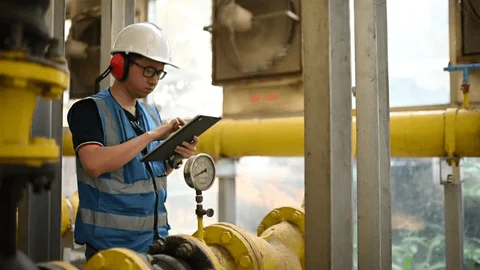
Regular maintenance is essential for the longevity and efficiency of any chiller system. Routine inspections, conducted by certified technicians, can catch minor issues before they become costly repairs. For air-cooled chillers, keeping coils clean and free from debris is crucial, as blocked coils reduce efficiency and force the system to work harder. Water-cooled chillers, on the other hand, require more intensive maintenance to manage water quality and prevent scale buildup.
Monitoring the refrigerant levels and pressure is another key maintenance step, as low refrigerant levels can compromise cooling capacity and lead to higher energy costs. An energy management system or BAS can help track these metrics and alert you to potential issues.
Investing in preventative maintenance services ensures that your chiller operates efficiently year-round, reducing unexpected downtimes and extending the lifespan of the system. Regular maintenance not only keeps the chiller running smoothly but also ensures your commercial building maintains a comfortable and productive environment.
Proper chiller installation and maintenance offer sustainable, cost-effective cooling solutions for commercial spaces, keeping both tenants and equipment comfortable and efficient. With the right system and ongoing care, a chiller can be a reliable asset for years to come.