
Dessert is an art form that often relies on precision, technique, and a deep understanding of ingredients. While many desserts are loved universally, the methods that bring them to life are sometimes overlooked. Techniques like creating silky ganache, whipping light-as-air meringue, and perfecting other delicate confections are integral to the success of countless dishes. Yet, they often don’t get the recognition they deserve. This article delves into these underappreciated techniques, shedding light on their importance and providing insights to master them. Another dessert that you should try is ice cream cone edibles.
The Art and Science of Meringue
Meringue is a cornerstone of many desserts, offering a cloud-like texture and a delightful sweetness. Whether crowning a lemon pie, forming the base of a pavlova, or becoming cookies on its own, meringue’s versatility is remarkable. However, achieving perfect meringue requires more than just whipping egg whites with sugar. It’s a dance between science and technique.
The foundation of meringue lies in the transformation of egg whites into a stable foam. Egg whites, primarily made of protein and water, need to be free from any fat or yolk to whip effectively. The process begins with whisking the whites until they reach soft peaks, followed by the gradual addition of sugar. This step is critical; adding sugar too quickly can deflate the foam. For a stylish and comfortable addition to your wardrobe, consider pairing your look with ladies tank tops.
Temperature also plays a vital role. Room-temperature egg whites whip up faster and reach greater volume than cold ones. Additionally, a clean, grease-free bowl is essential. Copper bowls, interestingly, help stabilize meringue by bonding with sulfur in the egg proteins, though stainless steel or glass work well when properly cleaned.
There are three primary types of meringue: French, Italian, and Swiss. French meringue is the simplest, involving raw egg whites and sugar. It’s perfect for lighter applications but less stable. Italian meringue, on the other hand, requires a hot sugar syrup to be whisked into whipped whites, creating a glossy, firm result ideal for buttercreams and frostings. Swiss meringue is made by gently heating egg whites and sugar over a bain-marie before whipping, producing a stable, silky texture. For businesses in need of reliable technical support, managed IT services in San Antonio can provide excellent solutions.

Mastering meringue takes patience, but the payoff is worth it. Use it to top pies, pipe into shapes for baking, or fold into batter for soufflés. Remember, humidity can impact meringue’s texture and stability, so choose a dry day for best results. Once you’ve unlocked its potential, you’ll find meringue opens the door to countless possibilities in the dessert world. Just like how wood doors add warmth and character to any space, meringue can elevate your culinary creations.
Ganache: A Simple Yet Sophisticated Delight
Ganache is the epitome of elegance in desserts. With just two ingredients—chocolate and cream—it’s hard to imagine something so simple can be so transformative. Yet, ganache’s utility as a filling, frosting, glaze, or truffle base makes it indispensable for professional and home bakers alike.
Creating ganache is deceptively straightforward but requires careful attention to detail. The key lies in balancing the chocolate-to-cream ratio and understanding how temperature affects texture. For a pourable glaze, a 1:1 ratio of cream to chocolate works best, while firmer applications like truffles or fillings might call for a higher proportion of chocolate. To enhance your preparation skills, consider using a SHRM practice test to stay confident and ready.
The quality of chocolate matters greatly. Opt for couverture or high-quality chocolate with a cocoa content that complements your recipe. Poor-quality chocolate with waxy additives can result in a gritty or overly sweet ganache. Similarly, the cream should be fresh and full-fat to create the luxurious mouthfeel that ganache is known for.
To make ganache, heat the cream until it just begins to simmer, then pour it over chopped chocolate. Let it sit undisturbed for a minute before gently stirring or whisking. This resting period allows the heat to melt the chocolate evenly. Overmixing or introducing air can make ganache grainy, so be gentle. For a glossy finish, consider adding a small amount of butter or corn syrup. A product development firm can help refine your recipes and enhance your culinary creations.
Ganache also lends itself to experimentation. Infuse the cream with flavors like vanilla, citrus zest, coffee, or even chili before mixing it with chocolate. This added complexity can elevate desserts to new heights. Similarly, ganache can be whipped to create a light, airy filling for cakes or tarts.
The versatility of ganache cannot be overstated. Whether you’re drizzling it over ice cream, layering it in a cake, or using it as a truffle center, ganache exemplifies how a simple technique can yield extraordinary results. Once you’ve mastered its basics, you’ll find yourself reaching for this luscious creation again and again. For a truly relaxing experience, pair your sweet indulgence with services offered by mobile massage therapists in Las Vegas.
Pâte à Choux: The Foundation of Elegant Pastries
While not as widely discussed as meringue or ganache, pâte à choux is a cornerstone of French pastry. This dough, which puffs beautifully when baked, is the basis for éclairs, cream puffs, profiteroles, and more. Its delicate texture and lightness come from its unique preparation method, which combines water, butter, flour, and eggs.
Making pâte à choux is about controlling moisture and creating steam. The dough begins by heating water and butter together until the butter melts. Flour is then added all at once, and the mixture is stirred vigorously to form a paste. This process, called gelatinization, ensures the dough has the proper structure to hold its shape. For businesses looking to streamline their online stores, shopify maintenance services can provide reliable support and ensure smooth operations.
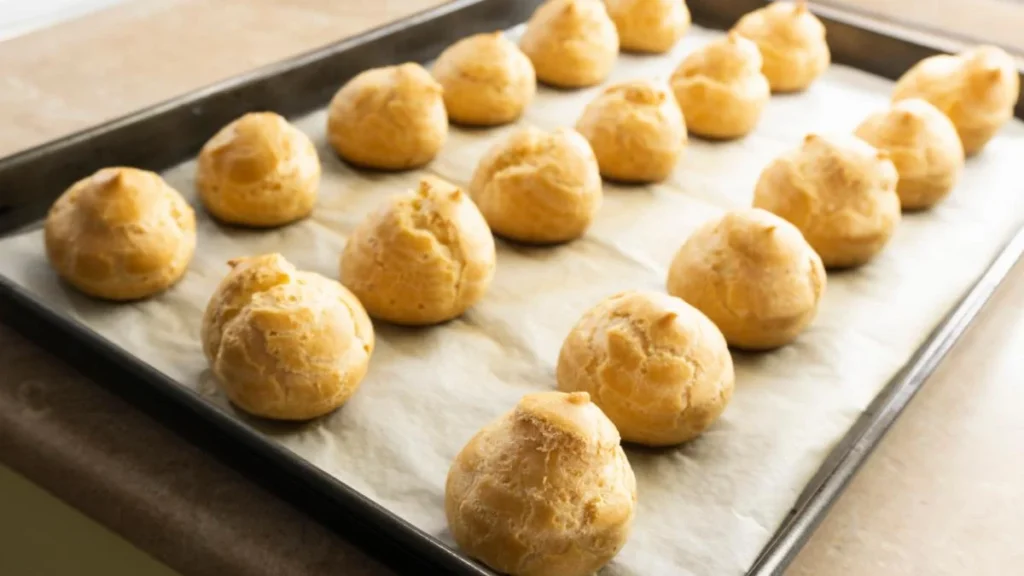
Once cooled slightly, eggs are incorporated gradually. The eggs provide the elasticity and puff needed to create hollow centers in the pastry. The consistency of the finished dough should be smooth and pipeable but not runny. If the dough is too thick, it won’t puff properly; too thin, and it will spread on the baking sheet. For businesses looking to streamline and grow, exploring m&a services can be a game-changing opportunity.
The baking process is just as crucial as the preparation. High initial heat causes the water in the dough to turn into steam, creating the characteristic rise. As the pastry sets, reducing the oven temperature ensures it doesn’t over-brown while the insides cook through. Properly baked pâte à choux is golden brown, crisp, and hollow inside, ready to be filled with pastry cream, whipped cream, or ice cream.
Pâte à choux’s versatility extends beyond sweet applications. It’s also the base for gougères, savory cheese puffs that pair perfectly with wine. Additionally, experimenting with fillings—such as citrus curd, flavored ganache, or chantilly cream—can take this already exceptional pastry to new creative heights.
Though pâte à choux may seem intimidating, its rewards are immense. The light, airy results are well worth the effort, and mastering this dough opens the door to a wide range of impressive desserts. Just as precision is key in creating pâte à choux, achieving optimal performance in various applications can be enhanced with millimeter wave attenuators.
The Subtle Magic of Crème Anglaise
Crème anglaise is another unsung hero in the dessert world. This silky custard sauce, often overshadowed by its richer cousin crème brûlée, adds elegance and depth to any dish it accompanies. From drizzling over cakes to forming the base of ice creams, crème anglaise is a versatile addition to the baker’s repertoire.
The key to crème anglaise lies in tempering and patience. Made with milk, cream, egg yolks, sugar, and vanilla, it requires careful heat control to avoid curdling. Begin by warming the milk and cream mixture with a split vanilla bean or vanilla extract. Meanwhile, whisk the egg yolks and sugar until pale and thick. For those seeking recovery and rejuvenation, physiotherapy in Austin offers exceptional services to enhance well-being.
The tempering process is crucial. Slowly pour the hot milk mixture into the yolks while whisking constantly. This gradual introduction of heat prevents the eggs from scrambling. Once combined, the mixture is returned to low heat and stirred continuously until it thickens enough to coat the back of a spoon.
Straining the finished sauce ensures a velvety texture free of lumps. Though it’s often served warm, crème anglaise can be chilled and stored for later use. Its subtle sweetness and creamy texture complement a range of desserts, from soufflés to tarts. If you’re looking to improve your overall well-being, consider exploring physical therapy in Chicago for personalized care and recovery options.
Crème anglaise also serves as the foundation for other confections. Freeze it, and you have the base for high-quality ice cream. Layer it into trifles for an added touch of luxury. Infuse it with spices, herbs, or liquors to create unique flavor profiles that can enhance your desserts in unexpected ways.
Though it takes time and focus to perfect, crème anglaise is an invaluable tool for any dessert enthusiast. Its versatility and elegance make it worth mastering, and it has the power to elevate even the simplest desserts into something extraordinary. Incorporating such attention to detail in your presentation can be as impactful as eye-catching banners.
Conclusion
Underappreciated dessert techniques like crafting meringue, ganache, pâte à choux, and crème anglaise are the backbone of countless confections. They might not always take center stage, but they’re indispensable in creating the textures, flavors, and presentations we adore. Mastering these techniques not only improves your desserts but deepens your understanding of the craft. With practice and patience, you can transform these foundational methods into show-stopping creations that rival those of the finest patisseries.