
Introduction
The journey to parenthood can be an exciting and life-changing experience. While conception is a natural process, it can sometimes take time and effort for couples to successfully conceive. This guide aims to provide you with valuable insights and strategies to optimize your fertility and increase your chances of getting pregnant.
Understanding Your Menstrual Cycle
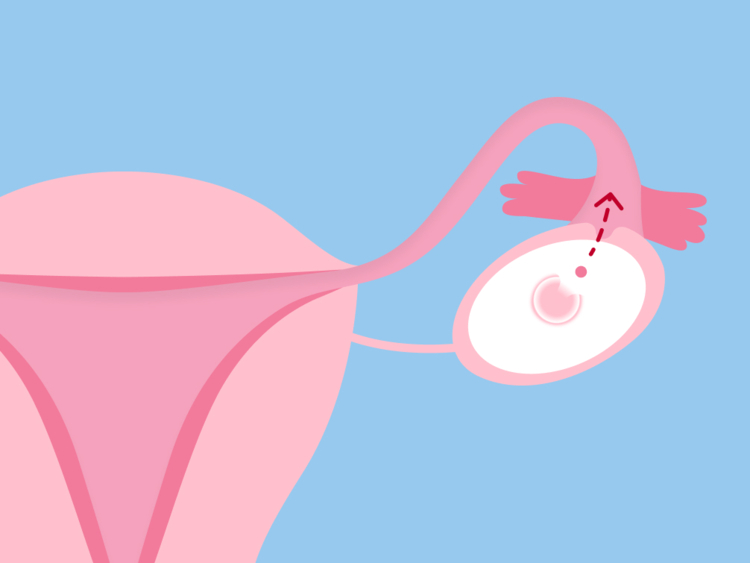
The menstrual cycle plays a crucial role in determining the best time for conception. Familiarize yourself with your cycle to identify your fertile window, which is the period when you’re most likely to conceive. Typically, this window occurs around 12 to 16 days before your next expected period. Keeping track of your cycle using a calendar or fertility app can help you predict when you’re ovulating, increasing the likelihood of successful conception.
Maintaining a Healthy Lifestyle
A healthy lifestyle is essential for fertility optimization. Here are some key factors to consider:
Nutrition: Ensure you have a well-balanced diet rich in fruits, vegetables, lean proteins, and whole grains. Include foods that are high in antioxidants, such as berries and leafy greens, as they help protect reproductive cells from damage.
Regular Exercise: Engaging in moderate exercise during pregnancy can help improve blood circulation and hormone regulation, but be mindful of avoiding excessive workouts that may trigger Braxton Hicks contractions.
Weight Management: Maintaining a healthy weight is vital for fertility. Both being overweight and underweight can negatively impact reproductive function. Aim for a body mass index (BMI) within the healthy range to optimize your chances of conception.
Avoiding Harmful Substances: Smoking, excessive alcohol consumption, and drug use can significantly impair fertility in both men and women. It’s important to eliminate these substances to enhance your chances of getting pregnant.
Maximizing Conception Opportunities
In addition to understanding your cycle and leading a healthy lifestyle, certain strategies can help maximize your chances of getting pregnant:
Timing Intercourse: Have regular sexual intercourse throughout your fertile window, ideally every two to three days. This increases the likelihood of sperm being present in the reproductive tract during ovulation.
Stress Management: High levels of stress can disrupt hormonal balance and negatively impact fertility. Explore stress-reduction techniques such as meditation, yoga, or engaging in hobbies to manage stress effectively.
Seeking Medical Advice: If you’ve been actively trying to conceive for over a year (or six months if you’re over 35) without success, consider consulting a fertility specialist. They can conduct tests to identify any underlying issues and provide appropriate guidance and treatment options.
Conclusion
While the journey to conception may differ for each couple, understanding your menstrual cycle, adopting a healthy lifestyle, and maximizing conception opportunities can significantly increase the chances of getting pregnant. Remember that patience and perseverance are key, and seeking medical guidance when necessary can provide additional support. Embrace this exciting chapter of your life and stay hopeful as you embark on the path to parenthood.