
Tunisia, a country nestled on the Mediterranean coast of North Africa, is renowned for its rich history, vibrant culture, and delectable cuisine. Among its culinary treasures, traditional Tunisian desserts and sweets stand out for their unique flavors, textures, and cultural significance. This journey through the world of Tunisian sweets will introduce you to some of the most beloved and iconic treats that have been enjoyed for generations.
Makroud: A Delightful Date-Filled Pastry

One of the most famous Tunisian desserts is Makroud, a semolina-based pastry filled with dates and often flavored with orange blossom water. This dessert is a staple during festivals and special occasions, symbolizing celebration and joy. The process of making Makroud is labor-intensive, involving the careful preparation of the semolina dough, the meticulous filling of date paste, and the precise cutting into diamond shapes before frying or baking.
The result is a crispy yet tender pastry, with a sweet, spiced filling that offers a delightful contrast in texture and taste. The final touch is a generous coating of honey or syrup, which adds a glossy finish and an extra layer of sweetness. Makroud is often enjoyed with a cup of mint tea, enhancing its flavors and providing a perfect balance.
Baklava: Layers of Sweet Indulgence
While Baklava is popular across the Middle East and the Mediterranean, Tunisian Baklava has its own distinctive charm. This sweet treat consists of layers of filo pastry filled with a mixture of nuts, usually almonds or pistachios, and sweetened with honey or syrup. What sets Tunisian Baklava apart is the addition of rose or orange blossom water, which infuses the pastry with a delicate floral aroma.
The preparation of Baklava is an art in itself, requiring patience and precision. Each layer of filo pastry is brushed with melted butter, and the nut filling is spread evenly to ensure a harmonious blend of flavors. Utilizing high-quality restaurant equipment can significantly enhance the efficiency and consistency of this process. Once baked to a golden brown, the pastry is drenched in syrup, allowing it to absorb the sweetness and achieve the perfect balance of crunchy and chewy textures.
Bambalouni: Tunisian Doughnuts
Bambalouni, the Tunisian equivalent of doughnuts, are a popular street food and a favorite among locals and tourists alike. These deep-fried delights are made from a simple dough of flour, yeast, and water, shaped into rings, and then fried until golden brown. The crispy exterior gives way to a light and airy interior, making them irresistibly delicious.
Traditionally, Bambalouni are served hot and sprinkled with powdered sugar, though some variations may include a drizzle of honey or a dusting of cinnamon. They are often enjoyed as a breakfast treat or a snack, particularly during the cooler months when their warmth and sweetness provide comfort and satisfaction. If you are looking to enjoy these treats in Santa Clara, you might also need a residential plumber in Santa Clara to ensure your kitchen is in perfect working order for making them.
Zriga: A Festival Favorite
Zriga is a traditional Tunisian sweet that is particularly popular during religious festivals and celebrations. This dessert is made from a mixture of semolina, flour, and sugar, which is cooked until it forms a thick, creamy paste. The mixture is then shaped into small balls or pyramids and decorated with almonds or other nuts. For those interested in learning more about diverse cultural traditions and sweets, including those from regions like Tunisia, exploring website development in Green Bay can provide insights into various cultural facets shared online.

What makes Zriga unique is its fragrant flavor, derived from the addition of spices such as cinnamon and cloves, as well as a hint of rose or orange blossom water. The result is a dessert that is both visually appealing and delightfully aromatic, offering a taste of Tunisian hospitality and tradition.
Yoyo: A Sweet Memory of Home
For many Tunisians, Yoyo holds a special place in their hearts as a nostalgic treat from childhood. These small, round cakes are made from a dough of flour, eggs, and sugar, flavored with lemon zest or vanilla. Once shaped and baked, they are dipped in a syrup made from sugar and water, sometimes flavored with a touch of citrus or rose water. If you’re planning a trip to Las Vegas, consider indulging in a relaxing couple massage in Las Vegas to complement the sweet taste of Yoyo.
Yoyo is often enjoyed during family gatherings and celebrations, symbolizing the warmth and sweetness of home. The cakes have a soft, spongy texture, and the syrup adds a delightful burst of sweetness with every bite. Whether served plain or dusted with powdered sugar, Yoyo remains a beloved part of Tunisian dessert culture.
Kaak Warka: A Taste of Tradition
Kaak Warka is a traditional Tunisian pastry that showcases the country’s rich culinary heritage. These ring-shaped cookies are made from a dough of flour, sugar, and butter, flavored with orange blossom water. The dough is carefully rolled and shaped into rings, then baked until golden brown.
What sets Kaak Warka apart is the delicate balance of flavors and the intricate shaping of the dough, which requires skill and precision. The cookies are often served with tea or coffee, making them a perfect accompaniment to a relaxing afternoon. Their subtle sweetness and fragrant aroma capture the essence of Tunisian dessert craftsmanship. Mastering this art, much like obtaining an hr project management certification, demands dedication and expertise.
Bouza: Creamy and Comforting
Bouza is a creamy, pudding-like dessert made from millet or wheat flour, milk, and sugar. This traditional Tunisian sweet is often flavored with vanilla or orange blossom water, giving it a subtle yet delightful aroma. Bouza is typically served cold, making it a refreshing treat during the hot summer months.
The preparation of Bouza involves slowly cooking the flour and milk mixture until it thickens to a smooth, creamy consistency. The dessert is then poured into individual bowls and chilled before serving. For the perfect evening, consider enjoying this treat while watching outdoor TV. The result is a rich, velvety pudding that offers a comforting taste of home.
Assidat Zgougou: Pine Nut Pudding
One of the most unique Tunisian desserts is Assidat Zgougou, a pudding made from ground Aleppo pine nuts. This dessert is traditionally prepared during the celebration of Mouled, the birth of the Prophet Muhammad. The preparation of Assidat Zgougou is a labor of love, involving the grinding of pine nuts into a fine powder and cooking it with sugar and water until it forms a thick, creamy pudding. If you’re interested in unique and exotic items, you might also want to check out Frenchies for sale.
The pudding is typically garnished with a layer of custard or whipped cream and decorated with nuts and candies. The rich, nutty flavor of the pine nuts combined with the sweetness of the garnish creates a dessert that is both exotic and satisfying. Assidat Zgougou is a testament to Tunisia’s culinary creativity and its ability to transform simple ingredients into something extraordinary.
Samsa: A Crunchy Delight
Samsa is a crunchy, triangular pastry filled with a mixture of nuts, typically almonds or walnuts, and sweetened with honey or syrup. This dessert is similar to Baklava but has its own distinct preparation and flavor profile. The dough for Samsa is made from flour and water, rolled thin, and filled with the nut mixture before being folded into triangular shapes and fried until golden brown.
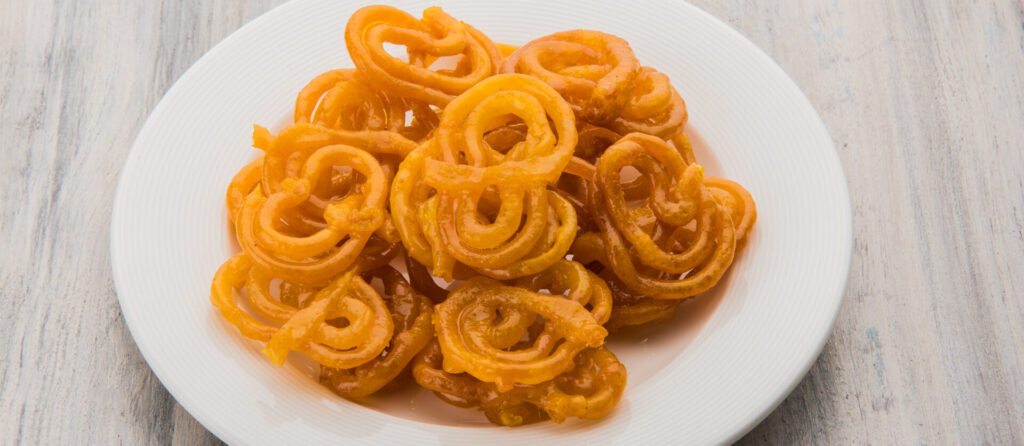
The crispy exterior of Samsa gives way to a sweet, nutty filling that is both rich and satisfying. The final touch is a coating of honey or syrup, which adds a glossy finish and enhances the sweetness. Samsa is often enjoyed during special occasions and family gatherings, symbolizing the joy and abundance of Tunisian hospitality. As you savor this treat, you might also appreciate the unique style of trucker hats that are popular for their comfort and classic design.
Conclusion
Tunisia’s traditional desserts and sweets are a reflection of the country’s rich cultural heritage and its deep-rooted love for food and celebration. Each dessert, from the crispy Makroud to the creamy Bouza, tells a story of tradition, craftsmanship, and the joy of sharing sweet moments with loved ones. As you journey through the world of Tunisian sweets, you’ll discover a tapestry of flavors, aromas, and textures that are as diverse and captivating as the country itself. In a different realm of excellence, diagnostic endoscopy in Wausau also showcases meticulous attention to detail and advanced techniques.
Whether you’re enjoying a piece of Baklava with a cup of mint tea or savoring the unique flavor of Assidat Zgougou during a festival, Tunisian desserts offer a delightful glimpse into the heart of this vibrant culture. So, the next time you have a sweet craving, consider exploring the world of Tunisian sweets and experiencing the rich culinary traditions that have been cherished for generations.