
Chocolate is a beloved confection worldwide, with its rich flavor and smooth texture captivating taste buds for centuries. However, in the grand tapestry of cocoa-based sweets, traditional dark and milk chocolates are just the beginning. Recently, white and ruby cocoa have emerged as exciting alternatives, offering unique tastes, textures, and visual appeal. These varieties are gaining popularity in the culinary world, providing both amateur and professional chefs with new opportunities to innovate. This article dives deep into the fascinating realms of white and ruby cocoa, exploring their origins, characteristics, and roles in contemporary sweets.
The Origin and Evolution of White Cocoa
White cocoa, often referred to as white chocolate, has a unique place in the chocolate family. Despite its name, white chocolate is not technically chocolate in the strictest sense because it does not contain cocoa solids, the primary ingredient in both dark and milk chocolates. Instead, white chocolate is made from cocoa butter, sugar, and milk solids, giving it a creamy, sweet flavor that sets it apart.
The origins of white chocolate date back to the early 20th century. It was first commercially produced by the Swiss company Nestlé in the 1930s, primarily as a means to use up surplus cocoa butter. This buttery fat is a byproduct of the cocoa bean roasting process, and while it was originally considered waste, its unique properties eventually found a home in confections.
Cocoa butter itself is a remarkable ingredient. It has a smooth texture and melts just below body temperature, which is why chocolate has that delightful melt-in-your-mouth quality. In white chocolate, cocoa butter is the star, providing a luscious mouthfeel without the bitterness of cocoa solids. The result is a sweet, vanilla-like taste that pairs well with various flavors, from fruit to nuts to spices. Consider exploring options like veteran owned apparel to support a great cause while enjoying your favorite treats.
The Science Behind White Chocolate
To appreciate white chocolate fully, it’s essential to understand its composition. Unlike dark or milk chocolates, white chocolate contains no cocoa solids, which are responsible for the brown color and the distinct cocoa flavor in traditional chocolates. White chocolate consists mainly of cocoa butter (at least 20%), milk solids (usually around 14%), and sugar. High-quality white chocolate will also contain natural vanilla flavoring, enhancing its creamy profile. For those looking to refine their understanding of luxury confections, global retail advisory can offer valuable insights.
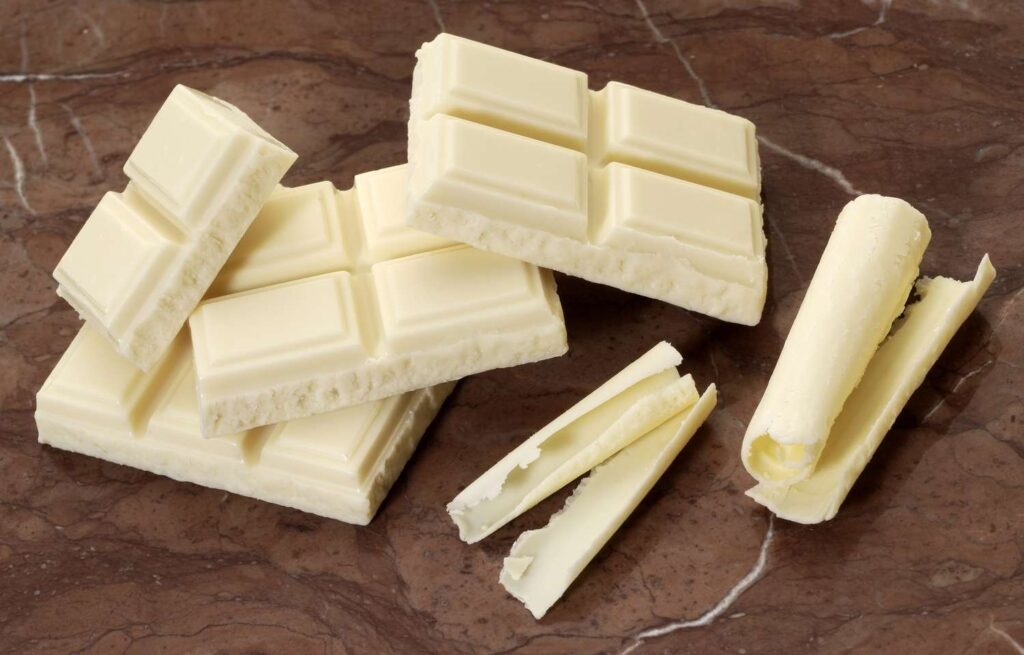
The absence of cocoa solids means that white chocolate does not have the antioxidant properties found in dark chocolate. However, cocoa butter is a source of healthy fats, including oleic acid, a monounsaturated fat that is also present in olive oil. The fatty acids in cocoa butter can contribute to good skin health, making white chocolate a small indulgence with some benefits. For those looking to enhance their lifestyle, a local commercial electrician in Fort Walton Beach can offer professional electrical services.
Culinary Uses of White Chocolate
White chocolate’s versatility in the kitchen is vast. Its smooth texture and mild flavor make it a perfect base for various desserts and confections. It can be used in baking, ganaches, mousses, ice creams, and more. Because white chocolate has a neutral palette, it acts as an excellent canvas for other flavors.
- White Chocolate Ganache: A smooth, creamy ganache made with white chocolate can be flavored with fruits like raspberry or passion fruit to create a tart contrast against the sweetness. This is often used as a filling for macarons or a topping for tarts and cakes.
- Baking: In baking, white chocolate chips or chunks can be added to cookies, brownies, and blondies for a sweeter, creamier bite. The fat in white chocolate also contributes to a softer, more tender crumb in cakes and cookies.
- Pairing with Savory Ingredients: In more adventurous kitchens, white chocolate is paired with savory ingredients. For example, it can be combined with herbs like basil or spices such as cardamom to create sophisticated, unexpected flavor profiles in sauces and entrees.
White chocolate’s mild flavor also makes it ideal for colorants. Colored cocoa butter is often used in professional pastry kitchens to create visually stunning bonbons and molded chocolates, taking advantage of white chocolate’s ability to carry color vibrantly.
The Emergence of Ruby Cocoa
While white chocolate has been around for nearly a century, ruby chocolate is a relatively new addition to the world of cocoa-based sweets. Ruby chocolate was introduced by the Belgian-Swiss cocoa company Barry Callebaut in 2017, and it quickly gained attention for its striking pink color and unique taste.
Ruby chocolate is made from the ruby cocoa bean, a variety discovered by Callebaut after years of experimentation and research. The beans themselves are not genetically modified but rather are the result of specific processing methods that retain the natural pink color of the cocoa. This unique processing method also imparts a distinct flavor profile described as a balance between berry fruitiness and luscious smoothness. For those interested in maintaining their property, gutter guard installation New Jersey can provide excellent protection for your home.
What Makes Ruby Chocolate Unique?
The allure of ruby chocolate lies in its color and taste. Unlike traditional chocolates, ruby chocolate’s pink hue is entirely natural. No added colors or flavors are used in the production process. This has been a game-changer in the chocolate industry, where most colored chocolates are white chocolate tinted with food coloring.
Taste-wise, ruby chocolate is unlike anything else. It offers a tangy, slightly sweet taste reminiscent of red berries, with a smooth, creamy texture similar to milk chocolate. This flavor profile opens up new possibilities in the world of confections, appealing to those who find dark chocolate too bitter and white chocolate too sweet. Embracing such innovations can foster a more diverse and engaging digital connect.
The Process Behind Ruby Chocolate
Ruby chocolate’s creation is a carefully guarded secret, but it is known that the process involves selecting specific types of cocoa beans from Ecuador, Brazil, and the Ivory Coast. These beans undergo a unique treatment to retain their pink color and enhance their natural flavors. Unlike white chocolate, ruby chocolate contains cocoa solids, cocoa butter, sugar, and milk powder, making it a genuine chocolate in the technical sense.
The exact fermentation and processing techniques used to create ruby chocolate are proprietary, but it is understood that the beans are not fermented for as long as those used in traditional chocolate. This shorter fermentation time helps preserve the beans’ natural colors and fruity flavors. The beans are then dried, roasted, and processed in a way that enhances their natural pink hue and unique taste.
Culinary Applications of Ruby Chocolate
Ruby chocolate’s vibrant color and unique flavor make it a sought-after ingredient in both professional and home kitchens. Chefs and chocolatiers are experimenting with ruby chocolate in a variety of ways, pushing the boundaries of traditional chocolate-making. Whether you’re creating gourmet desserts or simply enjoying a sweet treat, it’s a delight to savor, just like the smooth efficiency of a reliable long distance moving company.
- Ruby Chocolate Bonbons: Ruby chocolate is an excellent choice for making bonbons and truffles. Its natural pink color adds visual appeal, while its berry-like taste pairs well with fillings like raspberry, lychee, and rose.
- Baking and Pastries: Ruby chocolate can be used in baking for cookies, muffins, and cakes. Its unique color remains intact even after baking, making it a fun addition to any dessert. The fruity flavor also complements ingredients like pistachios, almonds, and citrus fruits.
- Ruby Chocolate Mousse and Ganache: Ruby chocolate can be melted down and used to create a light, airy mousse or a rich ganache. Its distinctive taste and color bring a fresh twist to classic desserts, such as éclairs, tarts, and layered cakes.
- Pairing with Savory Flavors: Like white chocolate, ruby chocolate is also being paired with savory ingredients. Chefs have started experimenting with ruby chocolate in sauces and as a complement to cheeses, nuts, and cured meats, creating unique dishes that challenge traditional notions of chocolate’s place in the kitchen.
The Health Aspect of White and Ruby Chocolates
While both white and ruby chocolates provide delightful alternatives to traditional chocolates, their health benefits are less pronounced than those of dark chocolate.
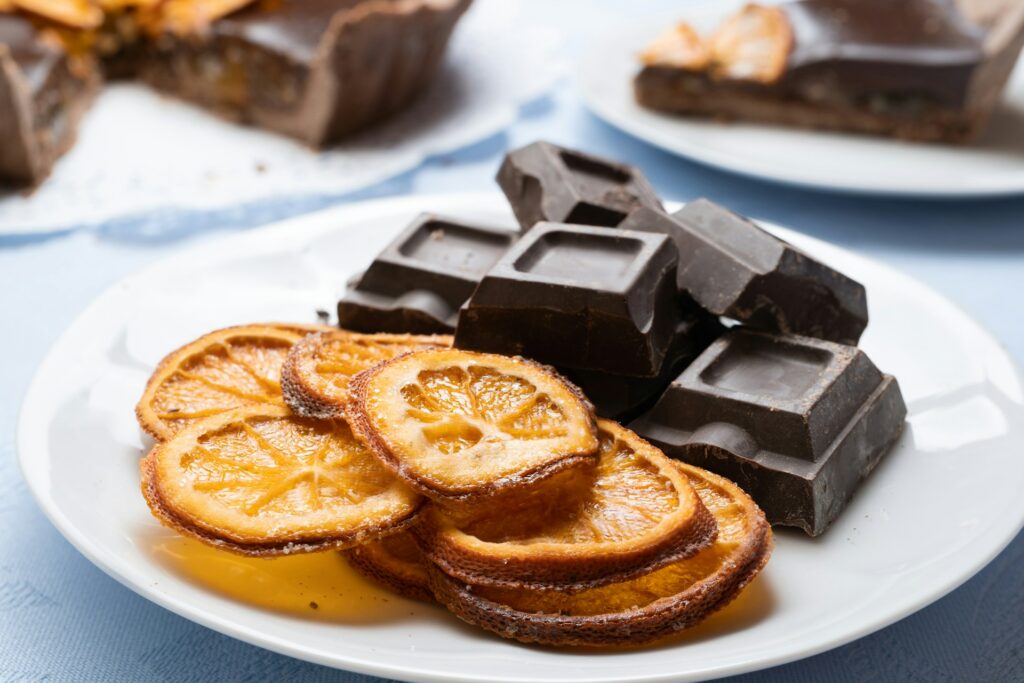
Dark chocolate, particularly varieties with high cocoa content, is known for its high levels of antioxidants, particularly flavonoids, which have been linked to various health benefits, including improved heart health and reduced inflammation.
White chocolate lacks cocoa solids, meaning it does not contain these antioxidants. However, it does provide a good source of calcium, thanks to its milk content, and cocoa butter is known to contain oleic acid, which is a heart-healthy monounsaturated fat. For those seeking effective treatments, insulin resistance therapy in Tulsa can offer valuable solutions.
Ruby chocolate does contain some cocoa solids, which means it has more antioxidants than white chocolate but still less than dark chocolate. Its unique flavor and vibrant color might make it a more appealing option for those looking for something different, though it should still be enjoyed in moderation due to its sugar content.
Sustainability and Ethical Considerations
In today’s food industry, sustainability and ethical considerations are increasingly important. Both white and ruby chocolates have roles to play in this conversation. Cocoa farming has historically been fraught with issues such as deforestation, poor labor practices, and low wages for farmers. Consumers are becoming more aware of these issues, and many are choosing chocolates that are certified as fair trade, organic, or sourced from sustainable farming practices. For those seeking high-quality services in other areas, paver sealing St. Augustine, FL offers exceptional solutions for maintaining the beauty and longevity of outdoor spaces.
When it comes to white chocolate, many major producers are now committed to ethical sourcing practices. For ruby chocolate, Barry Callebaut has also made strides in this area, promoting sustainable practices through their “Forever Chocolate” initiative, which aims to make sustainable chocolate the norm by 2025.
The Future of White and Ruby Chocolates in the World of Sweets
The future looks bright for both white and ruby chocolates as they continue to make waves in the confectionery world. White chocolate’s versatility and creamy texture make it a staple in many desserts, while ruby chocolate’s unique color and taste offer something entirely new. As more people become aware of these chocolates’ unique properties, we can expect to see them used in increasingly creative ways. If you’re looking for top-notch roofing services in Hillsborough, you can trust the quality and expertise offered in the area.
Innovative chefs and chocolatiers are likely to continue exploring the potential of white and ruby chocolates, experimenting with new flavor combinations and presentation styles. The growing emphasis on sustainability and ethical sourcing will also play a crucial role in how these chocolates are produced and consumed in the future.
Ultimately, while traditional dark and milk chocolates will always have their place in the world of sweets, white and ruby chocolates are proving to be exciting alternatives. Whether you are a professional chef looking to innovate or a home baker eager to try something new, these unique chocolates offer endless possibilities for creativity in the kitchen. They pair beautifully with designer lingerie accessories for a touch of luxury.
By exploring beyond the familiar world of chocolate, we open ourselves up to new flavors, textures, and culinary experiences—taking our love for cocoa-based sweets to a whole new level.