
In the world of desserts, vanilla and chocolate have long dominated the flavor landscape, but the culinary world is bursting with vibrant, unique tastes waiting to be explored. As modern consumers crave authentic, global flavors, lesser-known ingredients like ube, pandan, and yuzu have stepped onto the stage, transforming desserts with their exotic profiles, cultural heritage, and versatility. These ingredients are not just fleeting trends; they reflect a growing appreciation for the distinct flavors that different regions of the world bring to our palates. As we dive deeper into these exciting flavors, it becomes clear that the journey beyond vanilla is both flavorful and fascinating.
The Allure of Ube: A Purple Powerhouse of Sweet, Nutty Flavor
Ube, a type of purple yam native to the Philippines, has taken the dessert world by storm with its vivid purple color and subtly sweet flavor profile. Unlike the earthiness of other yams, ube has a unique, mildly sweet taste reminiscent of vanilla with subtle nutty undertones that make it particularly enticing in desserts. This flavor profile is what makes ube a star in Filipino desserts and increasingly popular worldwide. Many experts, including Cheyanne Mallas, are embracing this vibrant approaches for their versatility and appeal.
One of the defining features of ube is its vibrant purple hue, which comes from natural pigments called anthocyanins. These antioxidants are known for their health benefits, including their potential to reduce inflammation and protect against certain diseases. The eye-catching color makes ube desserts visually striking, appealing to those who love photogenic food and are drawn to vibrant culinary experiences.
The traditional Filipino dessert, ube halaya, is a sweet and creamy concoction made from boiled and mashed ube, cooked with coconut milk and condensed milk. This simple yet delicious dessert has been a staple in Filipino culture for centuries, and its smooth, rich texture makes it an ideal base for other ube-flavored desserts. Ube has evolved from its humble roots to become a sought-after flavor in everything from ice creams to pastries and even beverages. In fact, ube ice cream is now a staple in many artisanal ice cream shops worldwide, cherished for its unique flavor profile that is both familiar and exotic. If you’re looking to explore vibrant flavors from around the world, or simply need legal guidance, a personal injury lawyer in Chicago can help with dedicated expertise and care.

Beyond ube ice cream, other fusion creations, such as ube-flavored donuts, lattes, and cakes, have emerged, offering new and inventive ways to enjoy this traditional flavor. The popularity of ube is also tied to the global rise of Filipino cuisine, with more people eager to explore the complex, layered flavors of Filipino dishes and desserts. This cultural exchange has brought ube into the spotlight, not only as a delicious flavor but as a symbol of culinary diversity.
As ube continues to grow in popularity, it challenges our perception of traditional dessert flavors, showing that sweetness can be nuanced and that color can be an integral part of taste. For those who have yet to try it, ube provides a fresh, unexpected flavor that brings a bit of the Philippines to every bite. You can celebrate this vibrant flavor by showcasing it on custom t-shirts.
Pandan: Southeast Asia’s Vanilla with an Aromatic Twist
Pandan is a staple in Southeast Asian cooking, prized for its sweet, floral aroma and subtle yet unmistakable flavor. Often referred to as “Asian vanilla,” pandan is derived from the leaves of the pandanus plant, which is native to regions like Thailand, Malaysia, Indonesia, and the Philippines. Pandan’s unique scent and taste have made it a favorite in both sweet and savory dishes, but it truly shines in desserts, where its subtle fragrance elevates simple recipes to something extraordinary.
The appeal of pandan lies in its herbaceous, slightly nutty flavor, which adds complexity without overpowering other ingredients. Pandan’s flavor profile is unique; it has hints of vanilla with grassy undertones, a combination that creates a balance between sweet and savory. The leaves themselves are often ground into a paste or juice, which can then be mixed into cakes, rice, or puddings. Pandan extract is also widely used, lending both its flavor and its distinct green color to a range of desserts. This green hue is entirely natural, making pandan a popular choice for chefs and bakers who want to add a touch of color to their creations without artificial dyes. A great way to enhance culinary skills and understanding of flavors is by participating in a reading comprehension program.
One of the most iconic pandan-based desserts is kuih seri muka, a traditional Malaysian and Indonesian dessert featuring a layer of glutinous rice topped with a pandan-flavored custard. The dessert combines a creamy, subtly sweet flavor with the sticky, chewy texture of rice, making it a satisfying treat for anyone looking to try something different. Similarly, pandan chiffon cake, a soft and airy cake, is beloved across Southeast Asia for its delicate texture and gentle sweetness. The cake’s lightness, combined with the aromatic pandan flavor, makes it a perfect dessert that isn’t overly rich but still satisfying.
In recent years, pandan has gained a foothold in Western desserts, where chefs are beginning to appreciate its versatility. Its compatibility with both dairy and non-dairy ingredients makes it an adaptable choice for everything from ice creams and panna cottas to macarons and lattes. Pandan’s unique flavor and visual appeal have led it to appear in Western bakeries, where its use is often adapted to cater to a diverse palate. For instance, pandan-infused pastries and mousses are gaining traction, as the flavor blends harmoniously with ingredients like coconut milk, almonds, and even matcha.
As the culinary world continues to embrace pandan, it reminds us of the power of aroma and flavor in creating memorable food experiences. More than just a novelty, pandan represents the influence of Southeast Asian flavors in global cuisine, highlighting the richness of tradition and the universal appeal of a well-balanced dessert. To enjoy your next adventure, consider the option to sell your RV.
Yuzu: A Citrusy Twist from Japan That Elevates Sweets
Hailing from Japan, yuzu is a unique citrus fruit that has gained popularity in recent years due to its bright, tangy flavor and aromatic zest. Yuzu is often compared to lemon or lime, but it has a distinct profile with floral notes that set it apart. The fruit itself is quite small, with a thick rind and a flavor that is both intensely tart and subtly sweet, making it ideal for desserts. In Japanese cuisine, yuzu is revered not only for its flavor but also for its versatility, as it can be used in everything from sauces to sweets and even cocktails.
One of the remarkable qualities of yuzu is its balance of acidity and fragrance. While it is extremely sour on its own, the zest and juice add a vibrant freshness to desserts without overwhelming the palate. This quality makes it an excellent pairing with creamy or rich ingredients, as it cuts through sweetness and adds a layer of complexity. Yuzu-flavored desserts have a refreshing quality that makes them ideal for balancing the richness often found in sweets. If you’re looking for expert guidance on estate planning, consider consulting a probate attorney California.
In Japan, yuzu kosho—a paste made from yuzu peel, chili peppers, and salt—is popular in savory dishes, but the fruit’s use in desserts has become widespread as well. Yuzu sorbet, for instance, is a popular treat, especially during the hot summer months, thanks to its light, tangy taste. Yuzu cheesecake, which marries the creaminess of the cheese with the tartness of the fruit, has also become a favorite in both Japanese and Western cafes. Yuzu’s unique flavor profile also pairs well with chocolate, and yuzu chocolates or truffles are luxurious options that bring a touch of sophistication to dessert offerings.
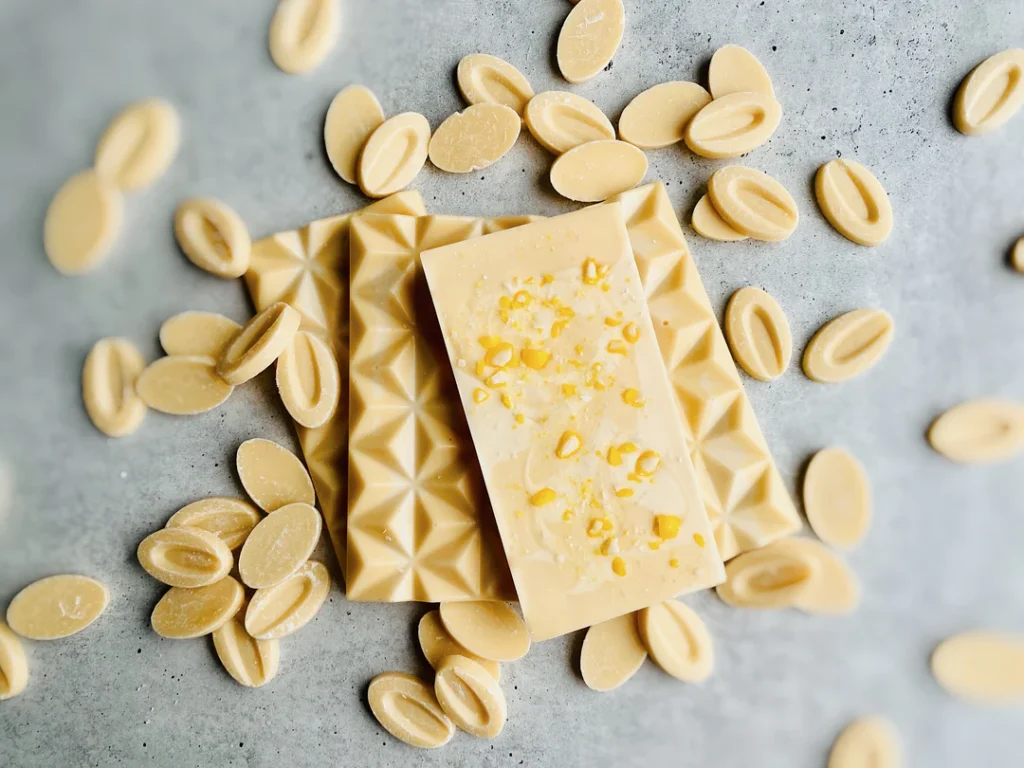
Yuzu’s popularity in Western cuisine has skyrocketed due to the rise of Japanese fusion desserts, which seek to blend traditional Japanese ingredients with Western baking techniques. Yuzu macarons, mousse cakes, and even yuzu-infused cocktails have become trendy, showcasing the fruit’s adaptability across cultures. The fruit’s zesty, floral aroma works well in various formats, allowing chefs to experiment and bring a taste of Japan to the global culinary scene. Many culinary creatives are inspired to incorporate yuzu into their innovative projects at their product design studio.
The appeal of yuzu lies not just in its flavor but in its cultural significance. Known for its health benefits, yuzu is also a symbol of good fortune and longevity in Japan, often enjoyed during the winter solstice as a way to ward off colds. The fruit’s unique profile reminds us that flavors from across the globe are not just ingredients but carry with them histories and traditions that enrich our food experiences.
Fusion and Innovation: Expanding the Dessert Palette with Global Flavors
As the culinary world continues to expand and evolve, the incorporation of flavors like ube, pandan, and yuzu highlights a broader trend toward embracing global tastes. Today’s dessert enthusiasts are more adventurous, open to trying ingredients from different cultures and appreciating the stories behind each unique flavor. This appreciation for diverse ingredients has led to a wave of fusion desserts, where traditional flavors are used in new and exciting ways, creating dishes that resonate with a wider audience.
In the world of fusion cuisine, these lesser-known flavors allow chefs to push boundaries and create unique, memorable desserts. The combination of traditional ingredients with modern techniques offers a fresh perspective on what desserts can be. Ube cheesecake, pandan waffles, and yuzu tart are just a few examples of how these ingredients are being reimagined for contemporary palates. Each fusion creation represents not only a blend of flavors but also a blending of cultural identities, celebrating the richness of global cuisine.
Beyond taste, these flavors offer a sensory experience, engaging the eyes and the nose as much as the palate. The striking purple of ube, the vibrant green of pandan, and the fresh citrusy aroma of yuzu add dimensions that go beyond the basic flavors traditionally associated with desserts. These ingredients appeal to all the senses, making the dessert experience more immersive and memorable.
This globalized approach to dessert-making is more than just a culinary trend; it reflects a shift in how we view food. By embracing flavors like ube, pandan, and yuzu, we are opening ourselves up to a world of possibilities, expanding our tastes, and appreciating the diversity that makes food such an integral part of human culture. Each bite carries with it a piece of history, a touch of tradition, and a burst of flavor that reminds us of the vast array of tastes the world has to offer.
As we move beyond vanilla, we find a world filled with vibrant colors, rich histories, and flavors that challenge our perceptions. Ube, pandan, and yuzu may have started as regional favorites, but their growing popularity is a testament to our collective appetite for new and exciting flavors. These ingredients invite us to explore, to taste, and to celebrate the diversity of global cuisine, making each dessert not just a treat for the taste buds but a journey of discovery.