
The world of pastry arts is undergoing a transformation, one driven by cutting-edge technology and artificial intelligence (AI). What was once a craft rooted in tradition and manual expertise is now embracing the tools of the future. This marriage of culinary art and technological innovation is pushing the boundaries of what desserts can be, creating opportunities for efficiency, creativity, and personalization that were unimaginable just a few years ago. The future of desserts is here, and it’s as tantalizing as it is innovative.
AI-Powered Recipe Development: Precision Meets Creativity
One of the most profound changes in pastry arts is the use of AI to develop new recipes. Traditionally, creating a dessert involves a painstaking process of trial and error, as pastry chefs test combinations of ingredients, flavors, and techniques. AI now offers a way to streamline this process while expanding the possibilities for innovation.
AI-driven algorithms analyze vast amounts of data, from existing recipes to chemical properties of ingredients, to create new, perfectly balanced desserts. For example, systems like IBM’s Watson have been trained to suggest unique flavor pairings by analyzing molecular compounds. AI doesn’t just offer random suggestions—it ensures compatibility by calculating the ratios and interactions between ingredients. This means fewer failed experiments and more time to focus on artistry.
The ability of AI to learn from data also allows for cultural and dietary adaptations. With access to regional culinary databases, AI can incorporate traditional flavors into modern desserts, offering fusion creations that appeal to global palates. Whether it’s a matcha-infused French macaron or a vegan, gluten-free chocolate mousse that tastes indistinguishable from its dairy-laden counterpart, AI ensures the recipes hit the mark every time.
Another benefit is the opportunity to create personalized desserts. By leveraging AI to analyze customer preferences and dietary restrictions, chefs can craft custom desserts that cater to individual tastes. This not only enhances customer satisfaction but also opens up new markets for businesses, as they can confidently cater to niche dietary needs with precision and flair.
3D Printing: Sculpting Edible Masterpieces
3D printing technology is redefining what’s possible in the presentation and structure of desserts. With this technology, pastry chefs can create intricate designs and impossible shapes that were previously out of reach using traditional methods. 3D printers use edible materials such as chocolate, sugar, or dough to build desserts layer by layer, allowing for unprecedented detail and creativity.
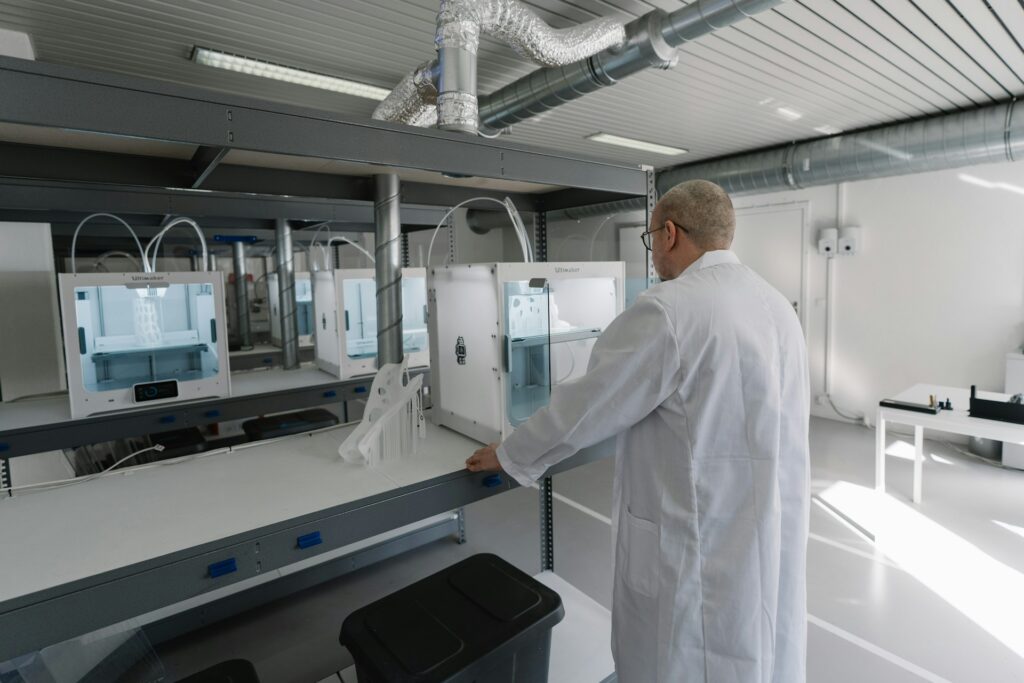
The use of 3D printing in pastry arts goes beyond aesthetics. Precision printing enables chefs to create desserts with controlled textures, densities, and flavor distributions, offering an entirely new sensory experience. Imagine biting into a multi-layered dessert where each layer melts in a distinct order, offering a sequence of flavors and sensations meticulously planned down to the millimeter. This level of control allows chefs to transform their creations into not just desserts but immersive culinary experiences.
For special occasions, 3D printing can bring personalization to the forefront. A wedding cake topper in the exact likeness of the couple, a chocolate sculpture that resembles a client’s favorite landmark, or custom molds for holiday treats are now achievable with precision and speed. As the technology advances, the materials used in 3D printing are also expanding, enabling chefs to experiment with new edible components that were once too delicate to handle.
Additionally, 3D printing aids in sustainability efforts by minimizing waste. Chefs can print exact quantities of ingredients needed for a dessert, reducing leftover scraps and promoting eco-friendly practices. The future of pastry is not just beautiful and innovative—it’s also more responsible.
Robotics in the Kitchen: Efficiency Without Compromising Artistry
Robots are becoming key players in commercial and high-end kitchens alike, offering consistency and efficiency in repetitive tasks. While some may fear that the rise of robotics signals the end of human artistry in pastry making, the reality is quite the opposite. Robots are not replacing chefs—they’re enabling them to focus on the creative aspects of their work by handling the tedious tasks.
From precision piping of intricate designs to automating the assembly of complex desserts, robotics ensures that each item is flawless. For example, robotic arms can pipe buttercream onto hundreds of cupcakes with identical precision, freeing human chefs to work on creating unique, personalized designs for each batch. This kind of automation is especially valuable in large-scale production environments, where consistency and speed are critical.
Another advantage of robotics is its ability to assist in the creation of delicate and labor-intensive components, such as sugar sculptures or chocolate tempering. These tasks often require hours of meticulous work and exacting conditions. Robots can replicate these conditions perfectly, ensuring that each element is crafted with precision and reliability. The result is a collaboration between human creativity and machine efficiency, allowing chefs to produce dazzling works of edible art on a scale that was previously unattainable.
Moreover, robotics plays a crucial role in safety and hygiene. By automating tasks such as kneading dough or mixing batters, robots reduce the risk of contamination and ensure compliance with stringent health regulations. This is particularly important in an era where cleanliness and safety are paramount in the food industry.
Virtual Reality and Augmented Reality: A New Dimension of Dessert
Virtual reality (VR) and augmented reality (AR) are introducing a sensory dimension to desserts that goes beyond taste, texture, and presentation. These technologies allow chefs to create immersive dining experiences, where desserts are part of a multi-sensory narrative.
Imagine donning a VR headset while enjoying a dessert and being transported to a virtual orchard where the fruits in your dish were “harvested.” Or consider an AR experience where a holographic animation plays over your plate, narrating the story of the dessert’s creation. These experiences elevate desserts from food to art, making them memorable and engaging for diners.
VR and AR also serve as educational tools for aspiring pastry chefs. Interactive simulations allow users to practice techniques in a virtual environment, eliminating the waste of ingredients and the pressure of making mistakes. Trainees can learn how to construct a mille-feuille or pipe intricate designs without setting foot in a physical kitchen.
For businesses, these technologies offer a way to differentiate themselves in a crowded market. Restaurants and bakeries can provide experiential dining that creates buzz and attracts tech-savvy customers. As AR becomes more accessible, even home bakers may start using it to overlay step-by-step guides while crafting desserts, ensuring professional-level results.
Data-Driven Insights: Redefining Customer Experience
Big data is playing an increasingly significant role in shaping the future of desserts. By analyzing customer feedback, purchasing patterns, and social media trends, bakeries and pastry chefs can create desserts that resonate with their audience. This data-driven approach ensures that businesses stay ahead of the curve, delivering what customers want before they even realize it themselves.
For example, social media platforms provide valuable insights into emerging trends. The sudden popularity of galaxy-themed cakes or rainbow-layered pastries can be traced back to viral posts and hashtags. With data analytics, pastry chefs can capitalize on these trends early, ensuring their offerings remain relevant and desirable.
Data also helps optimize operations. By tracking inventory and sales data, bakeries can predict demand and adjust production accordingly. This reduces waste and ensures that customers always find their favorite treats in stock. Furthermore, customer loyalty programs powered by AI can personalize recommendations, offering discounts or suggestions based on individual preferences.
The integration of data analytics into the pastry arts is not just about improving business—it’s about enhancing the customer experience. When a customer feels that a dessert was made just for them, based on their unique tastes and preferences, it creates a connection that goes beyond the transaction.
Sustainable Innovation: The Future Is Green and Sweet
As technology revolutionizes pastry arts, it is also addressing the pressing need for sustainability. Many of the innovations in this field aim to reduce waste, conserve resources, and promote eco-friendly practices. Sustainable desserts are no longer a niche concept—they’re becoming the standard.
AI plays a critical role in sustainability by optimizing recipes to use fewer ingredients without compromising quality. This not only reduces costs but also minimizes the environmental footprint of dessert production. Similarly, 3D printing ensures that only the necessary amount of material is used, eliminating excess.
Robotics contributes to sustainability by increasing efficiency and reducing energy consumption. Automated systems can operate with precision, minimizing mistakes that result in wasted products. For instance, robots can measure ingredients with pinpoint accuracy, ensuring that no material is lost in the preparation process.
Moreover, the focus on plant-based and alternative ingredients is being enhanced by technology. AI is helping to identify and develop plant-based substitutes that mimic the taste and texture of traditional ingredients like butter, cream, and eggs. These innovations make sustainable baking more accessible and appealing to a broader audience.
Incorporating sustainability into pastry arts is not just an ethical imperative—it’s also a business advantage. Consumers are increasingly prioritizing eco-conscious choices, and businesses that embrace sustainable practices are more likely to earn their loyalty.
Conclusion: The Sweet Future of Pastry Arts
The future of pastry arts is a thrilling blend of tradition and innovation, where technology serves as both a tool and a muse. AI, 3D printing, robotics, VR, and data analytics are not replacing the artistry of dessert-making—they’re amplifying it, allowing chefs to push boundaries and reimagine what’s possible. This revolution is not just about creating beautiful and delicious desserts; it’s about crafting experiences, meeting modern challenges, and paving the way for a sustainable, personalized, and imaginative future.
As we stand on the cusp of this new era, one thing is certain: the desserts of the future will not only delight our taste buds but also engage our minds, hearts, and imaginations. The intersection of technology and pastry arts promises a world of possibilities, and we’re only beginning to savor its potential.