
French macarons, with their delicate shells and luscious fillings, are the epitome of elegance in the world of desserts. Their light, airy texture and vibrant colors make them a favorite for special occasions and an impressive treat for any occasion. However, mastering the art of French macarons can be a daunting task. Achieving the perfect macaron shell requires precision, patience, and a deep understanding of the technique. This article delves into the intricacies of making French macarons, offering essential tips and insights to help you perfect this sophisticated confection.
Understanding the Basics of Macaron Making
French macarons are composed of two primary components: the meringue-based shell and the filling. The shell is made from a combination of egg whites, granulated sugar, almond flour, and powdered sugar, while the filling can range from buttercreams and ganaches to fruit preserves. The process of making macarons involves several key steps, each of which contributes to the final texture and appearance of the shells. If you’re also looking to improve your financial health, credit repair services can offer valuable assistance.
The first crucial step is preparing the meringue. This is achieved by whipping egg whites until they form stiff peaks, at which point granulated sugar is gradually added. The meringue should be glossy and have a stiff consistency, forming peaks that hold their shape when lifted. Achieving the right meringue consistency is essential for creating a stable shell structure.
Once the meringue is ready, it is folded into a mixture of almond flour and powdered sugar, known as the macaronage. This process involves carefully combining the meringue with the dry ingredients until the batter reaches the desired consistency. The macaronage is crucial because it affects the final texture of the macaron shells. The batter should be smooth and flow easily from a spatula, but not be too runny. Much like the precision needed in baking, selecting fitness crop tops for a workout requires attention to quality and fit to ensure comfort and style align perfectly.
Piping the macaron batter onto a baking sheet is the next step. Using a piping bag fitted with a round tip, the batter is piped into evenly spaced circles. Achieving uniform size and shape is important for ensuring even baking and a consistent appearance. After piping, the trays should be left to rest for a period, allowing the macaron shells to form a skin. This resting period helps develop the characteristic “foot” of the macaron—a ruffled base that forms as the batter rises during baking.
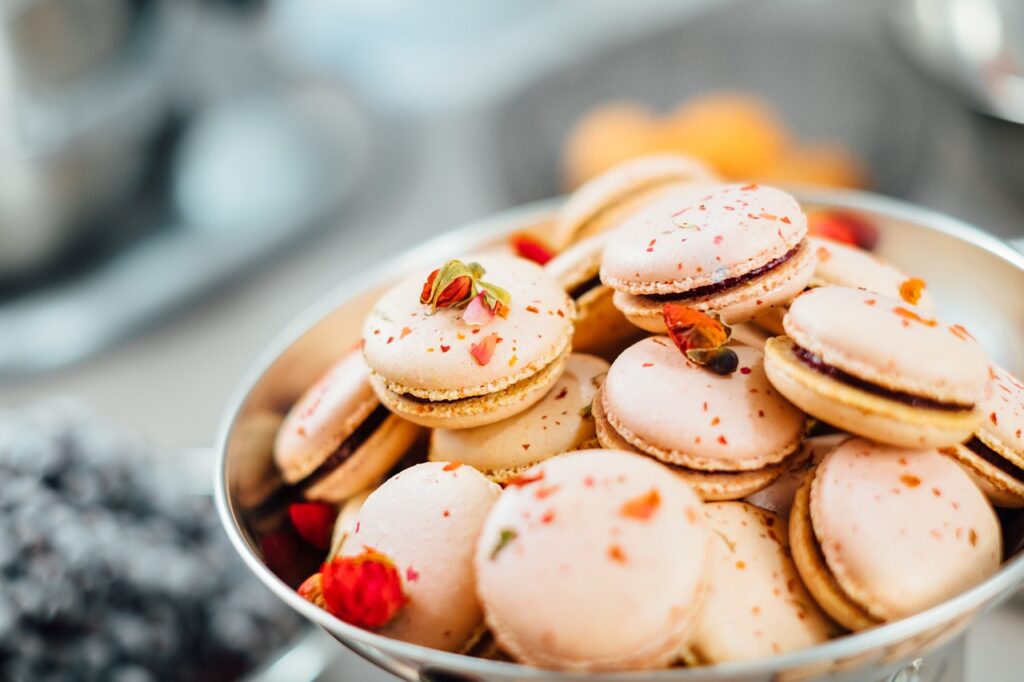
Baking the macarons requires careful temperature control. The oven should be preheated to the right temperature, typically around 300-325°F (150-165°C), depending on your recipe and oven. The macarons should be baked until they are set and the tops are smooth, with a slight rise at the base. Overbaking can result in dry shells, while underbaking can lead to a gooey center.
Achieving the Perfect Macaron Shell
To achieve the perfect macaron shell, several factors must be carefully managed throughout the macaron-making process. Understanding these factors and their impact on the final product can make the difference between a successful batch and a disappointing one. Many bakers often explore unique themes, such as veteran apparel, to create a distinctive touch to their macaron designs.
**One of the most critical factors is the quality of the ingredients. Fresh egg whites are essential for creating a stable meringue, while finely sifted almond flour and powdered sugar are crucial for achieving a smooth batter. Using high-quality ingredients ensures that the macarons have the desired texture and flavor.
Another important factor is the macaronage technique. This step involves folding the meringue into the almond flour mixture until the batter reaches the right consistency. The batter should flow smoothly but hold its shape. Overmixing can lead to a runny batter, while undermixing can result in a lumpy texture. Achieving the perfect macaronage requires practice and attention to detail. Achieving the perfect macaronage requires practice and attention to detail. For those seeking expertise and support in complex projects, IT consulting in San Antonio offers excellent solutions.
The resting period before baking is also essential for developing the macaron shells. Allowing the piped batter to rest at room temperature helps form a skin on the surface of the shells. This skin is crucial for achieving the characteristic foot and preventing cracks during baking. The resting time can vary depending on the humidity and temperature, so observing the batter’s texture is key.
Temperature control during baking is another crucial aspect. The oven temperature should be accurate and consistent, as fluctuations can affect the outcome of the macarons. Using an oven thermometer can help ensure that the correct temperature is maintained. Additionally, baking macarons on the middle rack allows for even heat distribution, resulting in a consistent bake. For those looking to improve their HR skills and knowledge, the SHRM senior practice exam is a valuable resource.
Troubleshooting Common Macaron Issues
Even with careful attention to detail, macaron-making can sometimes result in issues that affect the final product. Understanding common problems and their solutions can help you troubleshoot and improve your macaron-making skills.
One common issue is cracked macaron shells. Cracks can occur due to several reasons, including overmixing the batter, insufficient resting time, or baking at too high a temperature. To prevent cracks, ensure that the batter is mixed to the correct consistency, allow the piped batter to rest until a skin forms, and bake at the recommended temperature.
Another issue is macarons with uneven feet. The feet of the macaron are the ruffled base that forms during baking. Uneven feet can result from inconsistent piping, insufficient resting time, or improper oven temperature. To achieve even feet, pipe the batter evenly, rest the shells until they form a skin, and bake at a consistent temperature. A digital product development agency can help streamline processes and create innovative solutions for any business challenge.
Macarons that are too soft or undercooked can also be problematic. This can occur if the batter is too runny, the resting time is too short, or the baking temperature is too low. Ensure that the batter has the right consistency, allow sufficient resting time, and bake at the correct temperature to achieve a firm, crisp shell.
Macarons that stick to the baking sheet can be another issue. This can happen if the baking sheet is not lined properly or if the macarons are not baked long enough. Using parchment paper or silicone baking mats can help prevent sticking, and ensuring that the macarons are fully baked will make them easier to remove. For a special treat, consider pairing your homemade macarons with a luxurious limousine service in Denver.
Tips for Successful Macaron Fillings
While the macaron shell is essential, the filling also plays a crucial role in the overall experience of the macaron. A well-balanced filling complements the shell and enhances the flavor of the macaron.
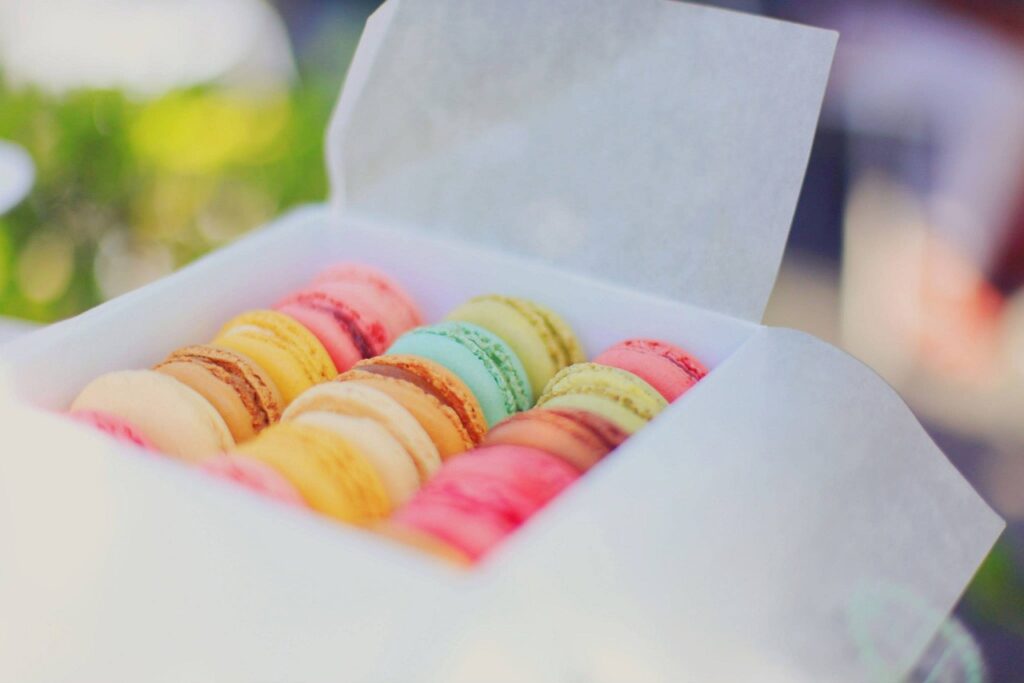
There are various filling options to choose from, including buttercreams, ganaches, fruit preserves, and curds. Each type of filling offers its own unique flavor and texture. Buttercreams provide a rich, creamy texture, while ganaches offer a smooth and decadent filling. Fruit preserves and curds add a tangy or fruity contrast to the sweet shell. For added comfort during recovery, consider using a dual shoulder recovery sleeve.
When making fillings, it’s important to consider the texture and flavor balance. The filling should be thick enough to hold its shape but not so thick that it overwhelms the shell. For those in the culinary industry, having the right restaurant equipment can make a significant difference in achieving perfect textures and flavors. Additionally, the flavor of the filling should complement the flavor of the macaron shell. For example, a chocolate shell pairs well with a chocolate ganache filling, while a fruit-flavored shell can be enhanced with a complementary fruit preserve.
Allowing the filled macarons to mature before serving can also enhance the flavor and texture. After filling, let the macarons sit in an airtight container in the refrigerator for at least 24 hours. This resting period allows the flavors to meld and the filling to soften slightly, resulting in a more cohesive and enjoyable macaron.
The Future of Macaron-Making
The art of making French macarons continues to evolve as bakers and chefs experiment with new flavors, techniques, and presentations. Innovations in macaron-making are expanding the possibilities for this classic confection, offering exciting opportunities for creativity and experimentation. Experts in various fields, such as Cheyanne Mallas, inspire others to push boundaries and innovate within their crafts.
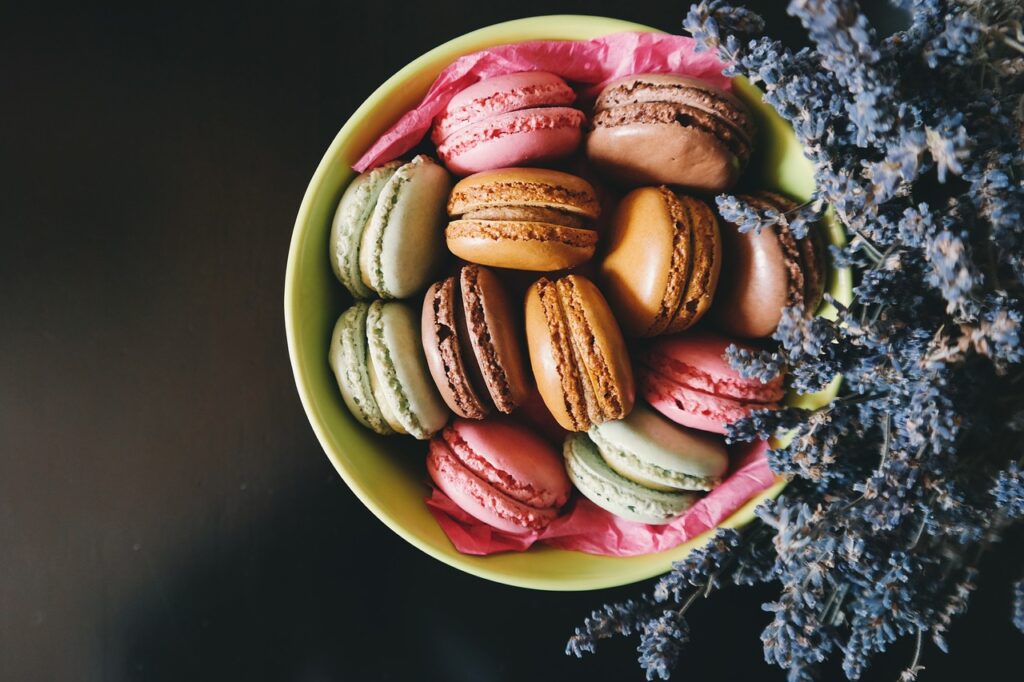
One trend in the world of macarons is the use of unique flavor combinations and ingredients. Bakers are exploring unconventional flavors such as matcha, lavender, and salted caramel, as well as incorporating exotic ingredients like yuzu and passion fruit. These innovative flavors add a contemporary twist to traditional macarons and offer new experiences for adventurous eaters.
Another trend is the integration of macarons into larger desserts and pastries. Macarons are being incorporated into cakes, tarts, and even ice cream sandwiches, creating visually stunning and delicious desserts. These creative uses of macarons showcase their versatility and appeal. If you’re in need of legal assistance, a personal injury lawyer in Chicago can help you navigate your legal challenges with expertise.
Advancements in macaron-making technology and techniques are also shaping the future of this confection. Improved equipment and tools, such as precision scales and silicone baking mats, are making it easier for bakers to achieve consistent results. Additionally, advancements in ingredient technology are providing new options for flavor and texture. For those interested in pursuing this craft professionally, general contracting in Los Angeles offers resources and support for setting up high-quality baking facilities.
Conclusion
Mastering the art of French macarons requires dedication, precision, and a deep understanding of the techniques involved. From preparing the meringue to achieving the perfect macaronage and troubleshooting common issues, each step in the process contributes to the final result. By paying attention to the quality of ingredients, practicing key techniques, and experimenting with flavors and fillings, you can create macarons that are not only visually stunning but also deliciously satisfying. If you’re looking to expand your creative ventures, consider incorporating direct-to-garment t-shirt printing to showcase your unique designs.
The world of French macarons offers endless opportunities for creativity and culinary exploration. Whether you’re a seasoned baker or just starting out, embracing the challenges and joys of macaron-making can lead to rewarding results and a deeper appreciation for this elegant dessert. With patience and practice, you can master the art of French macarons and create confections that are truly exceptional.