
Pregnancy is a time of joy and anticipation, but it also requires extra caution when it comes to food safety. One of the concerns that expecting mothers need to be aware of is listeria, a harmful bacterium that can cause serious complications for both mother and baby. Understanding how to protect yourself from listeria during pregnancy is crucial to ensuring a healthy pregnancy and a safe delivery.
What is Listeria and Why is it Dangerous?
Listeria is a type of bacteria found in soil, water, and some animals, including poultry and cattle. It can also be present in unpasteurized dairy products and contaminated processed foods. While listeria infection, known as listeriosis, is rare, pregnant women are at a higher risk. This is because pregnancy weakens the immune system, making it harder to fight off infections.
Listeriosis can lead to miscarriage, stillbirth, premature delivery, or life-threatening infections in the newborn. It’s essential to know where listeria can be found and how to avoid it.
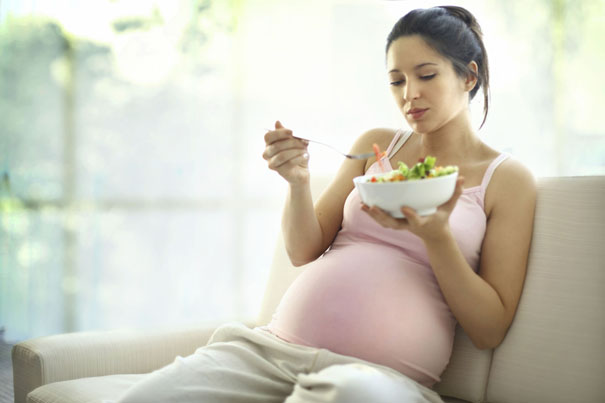
Foods to Avoid During Pregnancy
Certain foods are more likely to be contaminated with listeria, and pregnant women should steer clear of these to reduce their risk. Soft cheeses made from unpasteurized milk, such as brie, feta, and blue cheese, are common culprits. Ready-to-eat deli meats and hot dogs, unless reheated until steaming hot, can also harbor the bacteria.
Smoked seafood, refrigerated pâtés or meat spreads, unpasteurized milk or juice, and pregnancy tea are other foods that should be avoided. By steering clear of these high-risk foods, you significantly reduce the chances of contracting listeriosis.
Safe Food Practices for Expectant Mothers
In addition to avoiding certain foods, practicing safe food handling and preparation is crucial. Always wash your hands before and after handling food, and thoroughly clean kitchen surfaces and utensils after use. Cook foods to the appropriate temperatures, as listeria can survive in cold environments but is killed by heat.
Refrigerate perishable items promptly and keep your refrigerator at 40°F (4°C) or lower to inhibit bacterial growth. When dining out, ensure that the food is cooked properly, and avoid buffets or salad bars where food may be left at room temperature for extended periods.
Conclusion
Protecting yourself and your baby from listeria during pregnancy is all about awareness and precaution. By understanding the risks and practicing safe food habits, you can greatly reduce the chances of listeriosis. Remember to avoid high-risk foods, maintain proper food hygiene, and be vigilant about food safety throughout your pregnancy. Your diligence will contribute to a healthy and happy pregnancy, ensuring the best possible start for your little one.