
When it comes to cooking, eggs are often a star ingredient. They’re versatile, nutritious, and essential in countless recipes, from fluffy omelets to decadent cakes. But in recent years, the debate around organic versus conventional eggs has taken center stage. Many home cooks and professional chefs swear by organic eggs, claiming they’re superior in flavor, texture, and health benefits. But are organic eggs really better, or is it all just clever marketing? Let’s crack this debate open and find out.
What Defines Organic Eggs?
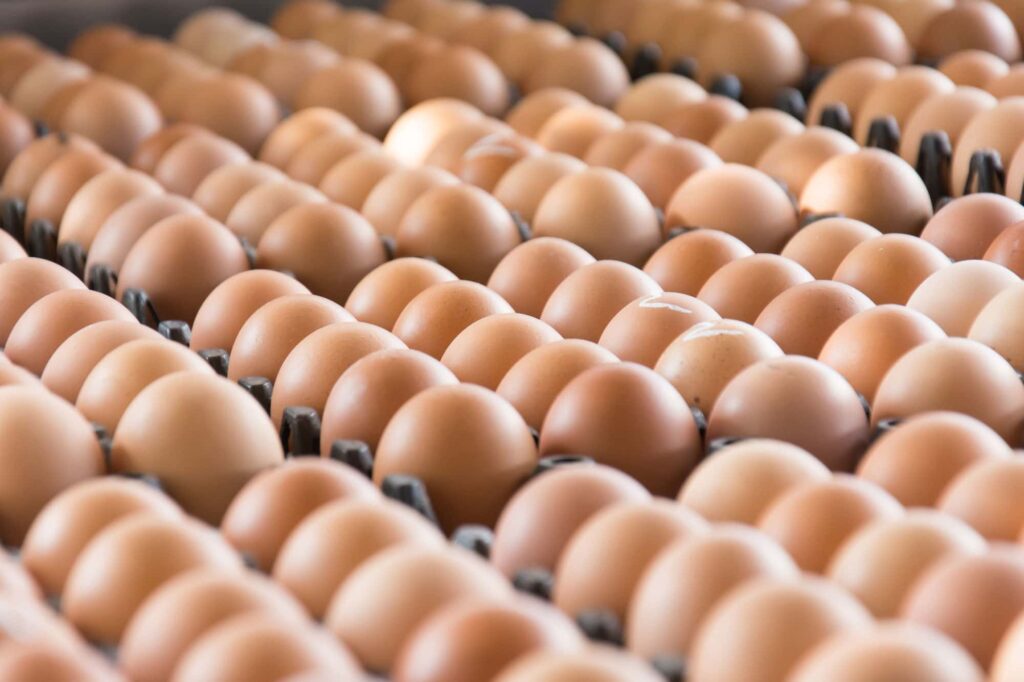
Before diving into the comparisons, it’s essential to understand what qualifies an egg as organic. Organic eggs come from hens raised according to specific standards set by certification bodies. These hens are fed organic, pesticide-free feed and are not treated with antibiotics or synthetic hormones. They must also have access to the outdoors, ensuring they can engage in natural behaviors like foraging and dust bathing.
This contrasts with conventional eggs, which may come from hens kept in confined spaces, often fed non-organic grains that can include GMOs, and treated with antibiotics if needed. Cage-free and free-range eggs offer slightly better living conditions for hens but don’t necessarily meet the same rigorous standards as organic certification. The organic label is more than just a marketing term—it’s a commitment to ethical farming practices and environmental sustainability.
The Taste Test: Do Organic Eggs Really Taste Better?
One of the most common arguments in favor of organic eggs is their superior taste. Many people claim organic eggs have a richer, creamier flavor than their conventional counterparts. But is this difference noticeable, or is it the placebo effect of knowing you’re eating something labeled “organic”?
Blind taste tests have shown mixed results. Some participants report that organic eggs do have a distinct flavor, often described as nuttier or more robust, while others can’t detect a difference. The flavor of an egg largely depends on the hen’s diet, not whether it’s labeled organic. Hens with access to diverse, high-quality food sources, such as those raised organically, tend to lay eggs with a more pronounced taste.
Moreover, the freshness of the egg plays a significant role. An organic egg purchased from a local farm is likely to taste better than a conventional egg that’s been sitting in a supermarket for weeks. However, this advantage is less about being organic and more about proximity and freshness. For example, when sourcing products, even something like baseball hats wholesale can have a similar impact on quality depending on where and how they are sourced.
Nutritional Value: Is Organic More Nutritious?
Another key selling point of organic eggs is their perceived nutritional superiority. Studies have found that organic eggs often contain slightly higher levels of omega-3 fatty acids, vitamin D, and antioxidants compared to conventional eggs. This difference stems from the organic hens’ diet, which often includes foraged greens, insects, and seeds, in addition to organic feed.
However, the nutritional gap between organic and conventional eggs is not as dramatic as some might believe. Both types of eggs are excellent sources of protein, essential amino acids, and vital nutrients like choline and selenium. For most people, the choice between organic and conventional eggs won’t significantly impact their overall nutritional intake. What does matter is incorporating eggs into a balanced diet, regardless of their origin. If you are hosting an event and looking for a venue, a banquet hall in Los Angeles might be a perfect choice for catering with high-quality eggs in your menu.
Cooking with Organic Eggs: Any Noticeable Differences?
For avid bakers and home cooks, the question isn’t just about taste or nutrition—it’s about performance in the kitchen. Organic eggs are often praised for their vibrant, deep-yellow yolks, which can enhance the color of dishes like custards, sauces, and cakes. The yolks’ color comes from the carotenoids in the hens’ diet, and organic hens tend to consume more nutrient-dense food, resulting in richer pigments.

When it comes to functionality, organic and conventional eggs behave similarly. Whether you’re whipping up meringues or emulsifying a hollandaise sauce, the structural properties of the egg whites and yolks are consistent across both types. However, the freshness of the egg can influence its performance. Fresher eggs, which are often associated with local organic farms, have firmer whites and a better ability to hold their shape, making them ideal for poaching or baking. For those seeking to enhance their skincare routine, a vitamin C spray for face can also provide a fresh, revitalizing boost.
Environmental and Ethical Considerations
One of the strongest arguments for choosing organic eggs lies outside the kitchen. Organic farming practices prioritize environmental sustainability, focusing on reducing pesticide use, promoting biodiversity, and maintaining healthier soil. By opting for organic eggs, you’re supporting farming methods that have a smaller ecological footprint.
From an ethical perspective, organic certification standards ensure hens are treated more humanely than those in conventional factory farming systems. While there’s still room for improvement, organic hens are given more space to roam and engage in natural behaviors, reducing stress and improving their overall well-being. Additionally, when selecting home furnishings like roller shades in Newport Beach, consumers often consider ethical practices, as they do with their food choices. For many consumers, knowing their eggs come from healthier, happier hens is reason enough to make the switch.
Cost Versus Quality: Are Organic Eggs Worth the Price?
One major downside of organic eggs is their cost. They can be significantly more expensive than conventional eggs, which raises the question: are they worth the extra money? The answer depends on your priorities.
If taste, ethical considerations, and environmental impact are top concerns for you, then organic eggs may feel like a worthwhile investment. However, if you’re primarily concerned with affordability and practicality, conventional eggs still provide excellent value and nutrition. If you’re starting a business, you may also want to explore business incorporation services to streamline your process.
It’s also worth exploring alternatives like buying directly from local farmers, which can provide the benefits of organic eggs at a lower cost. Local eggs are often fresher and come from hens raised in humane conditions, even if they’re not officially certified as organic.
The Role of Organic Eggs in Gourmet Cooking
In the world of gourmet cooking, organic eggs are often seen as non-negotiable. Chefs prize them for their vibrant yolks and rich flavor, which elevate dishes in both taste and presentation. From silky pasta doughs to golden aiolis, organic eggs are a staple in many high-end kitchens. In addition, many individuals seeking health-focused services, such as medical weight loss services in Wisconsin, might also prioritize the use of organic ingredients for their nutritional benefits.
This preference stems not just from their perceived quality but also from the philosophy of many chefs who value sourcing ingredients ethically and sustainably. For those who view cooking as an art form, the choice of organic eggs reflects a broader commitment to excellence and responsibility.
Debunking Common Myths About Organic Eggs
There are several misconceptions about organic eggs that deserve clarification. First, not all organic eggs are pasture-raised. While organic certification requires outdoor access, this can vary widely—from small pasture areas to larger enclosed spaces. If you’re looking for eggs from hens that roam freely in open fields, you’ll need to look for additional labels like “pasture-raised.” Some hospitality consultancy services may help guide businesses in sourcing ethically raised eggs for their menus.
Another common myth is that organic eggs are always fresher. While they are often fresher when purchased from local farms, supermarket organic eggs can be just as old as conventional ones. Always check the packaging date to ensure you’re getting the freshest product.

Lastly, some people believe organic eggs are free of salmonella risk, but this isn’t true. All eggs, regardless of their origin, should be handled and cooked properly to minimize the risk of foodborne illness.
Making an Informed Choice
The decision to use organic eggs in your cooking ultimately comes down to personal values and priorities. If you’re passionate about sustainability, animal welfare, and supporting organic farming, choosing organic eggs is a meaningful way to align your purchases with your principles. For those who also value structured decision-making and project management, a master project manager certification might enhance your ability to evaluate such choices in a broader context. On the other hand, if you’re more focused on cost and convenience, conventional eggs remain a reliable and nutritious option.
What matters most is being informed about what you’re buying. Whether you choose organic, conventional, or something in between, understanding the differences and implications of your choice can help you feel more confident in the kitchen and at the store.
The Final Verdict: Are Organic Eggs Really Better?
So, are organic eggs really better? The answer isn’t as clear-cut as it might seem. Organic eggs often taste better and boast richer yolks, especially when sourced from local farms. They come with the added benefits of more humane treatment for hens and reduced environmental impact. However, they’re not drastically more nutritious, and their performance in cooking is comparable to conventional eggs.
Ultimately, the choice boils down to what you value most. For some, the peace of mind that comes with buying organic is priceless. For others, the practicality of affordable, widely available conventional eggs takes precedence. No matter which you choose, eggs will continue to be one of the most versatile and essential ingredients in your culinary adventures.