
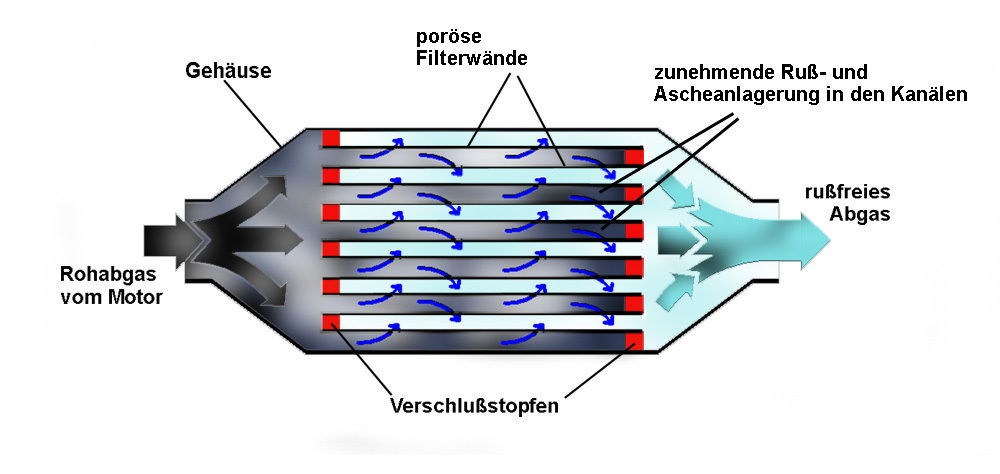
Diesel-specific filters or DPFs have become the solution of choice for many manufacturers to handle soot and ash produced when diesel is burned. Basically, they are filters in the exhaust which collect soot, and then store it until it is processed during a DPF burn.
We are all about performance and we’re all aware that any restriction could affect the performance of an engine. So, what do we do about the DPF? What exactly is it and how to maintain it?
The DPF can be deleted from the exhaust system and also the software. This is the simplest solution to every problem caused by the dpf clamps. I will not discuss the legal stuff of removing an emission-related device. I’m simply saying this is the best solution.
One advantage of DPF is the fact that it helps reduce soot getting into the atmosphere. One might say it is a benefit for the environment. That’s a weak statement at best. It is important for a DPF to replenish or rid itself of the soot every now and then. The method for achieving this is by making the DPF sufficiently hot to burn off soot so it is able to pass through the filter. The way to do this is that the ECU injects additional fuel to generate heat in the filter for burning off. This obviously requires more fuel (not eco-friendly) Also, some of this extra fuel ends up in the sump of the engine which dilutes the engine oil and can cause additional oil and filters to be changed.
Similar to when catalytic converters were first introduced and lead was taken out of fuel since it could contaminate the converter. Vehicles with DPFs require special oils that are low in sulfate ash and sulfur, phosphorus, and sulfur (low Saps). Incorrect oil will block the DPF and prevent regeneration making it imperative to replace the DPF. One downside of DPF is that it is expensive to replace.
Some believe that the oil requirement of the DPF causes internal engine wear rates higher than if normal oil was used. We’ll have to debate that one day.
The most common issue we encounter with DPFs is the time a boost leak happens. A boost leak can create additional soot in the exhaust, which can block the DPF fairly quickly. Once the boost leak is fixed the DPF cleaning will nearly always be required. You can conduct a DPF cleaning while having the DPF still in the vehicle. Once the DPF clean has been completed a regen can occur. When it is necessary to carry out a forced regen, it is needed to follow the regen. Do you remember to do this before the fuel is injected in order in order to make the DPF sufficiently hot to allow it to be able to regulate it? This fuel added will alter the oil in the engine.
What exactly is a forced regen anyway? Forcing a regen is using a scan tool to start a fire while your vehicle remains stationary. A forced regen is typically going to make use of higher temperatures, and the regen tool will be monitoring the pressures within the DPF when it is in use. Specific tools are needed to carry out a forced regen which means that your standard mechanic might not be able to do this. However, it is not necessary to work with a dealer. We like a number of equipped workshops that have the facilities to conduct this forced regen.
In extreme situations, forced regens won’t be possible due to the high amount of soot that is loaded. The next step in the process is to perform an on-car clean. The on-car cleaning tool involves two steps. A cleaner is injected into the DPF and processes the soot in a specified period of time. The cleaner is then purged out of the system leaving the DPF prepared for a regen. The on-car cleaning equipment is not as common for workshops to have. We also offer assistance with the car DPF cleaning.