
Introduction
Shrimp aquariums are enchanting microcosms that offer an opportunity to witness the intricate beauty and behavior of these small aquatic creatures. With their vibrant colors and mesmerizing movements, shrimp aquariums have become increasingly popular among hobbyists. However, maintaining a successful shrimp aquarium requires careful attention to various factors to ensure the health and well-being of these delicate inhabitants. In this essay, we will explore the fundamentals of setting up and maintaining a thriving shrimp aquarium.
Setting Up the Shrimp Aquarium
The first step in creating a successful shrimp aquarium is selecting the appropriate tank. A tank with a capacity of 5 to 10 gallons is usually sufficient for beginners, although larger tanks provide more stability. Ensure the tank is made of glass to maintain water quality and visibility. A sponge filter is ideal as it provides gentle filtration, avoiding harm to the shrimps. The substrate should be fine-grained, such as sand or specialized shrimp substrate, to allow the shrimp to forage comfortably.
Decorations play a vital role in providing hiding places for the shrimp and promoting a natural environment. Live plants are beneficial for water quality and act as a source of food. Popular choices include Java moss, Anubias, and Marimo moss balls. Additionally, adding driftwood and smooth rocks can enhance the aesthetic appeal while offering more hiding spots.
Water Parameters and Quality
Maintaining suitable water parameters is crucial for the health of shrimp in the aquarium. Shrimp generally prefer slightly acidic to neutral water with a pH range of 6.5 to 7.5. Ammonia and nitrite levels must be at zero, as they are highly toxic to shrimp. Regular water changes of about 10-20% should be performed weekly to maintain water quality and prevent the buildup of harmful substances.
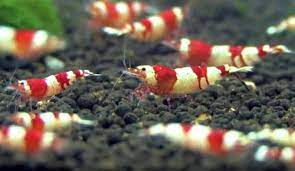
In particular, cherry shrimp thrive in these conditions, their vibrant colors reflecting the care and diligence required to maintain the right balance in their aquatic environment.
Consistency in water temperature is essential, as shrimp are sensitive to fluctuations. Keeping the temperature between 72°F to 78°F (22°C to 26°C) is recommended for most shrimp species. Utilizing a reliable heater and thermometer can help maintain a stable environment.
Feeding and Care
Feeding the shrimp a balanced and varied diet is vital to their well-being. High-quality shrimp-specific food, such as pellets, flakes, and frozen foods, should be the primary diet. Additionally, blanched vegetables like zucchini, spinach, or carrots can be offered as supplementary treats.
Overfeeding can lead to water quality issues, so it’s crucial to provide only the amount of food the shrimp can consume within a few minutes. Observe their feeding habits to ensure they are getting adequate nutrition.
Avoid using copper-based medications in the aquarium, as shrimp are highly sensitive to copper. If medication is required, it’s best to isolate the affected shrimp in a separate quarantine tank.
Conclusion
Shrimp aquariums offer an enchanting glimpse into the underwater world, showcasing the beauty and wonder of these tiny creatures. By carefully setting up the tank with suitable decorations, maintaining proper water parameters, and providing a balanced diet, shrimp enthusiasts can create a thriving habitat for their shrimp. The joy of watching these creatures thrive and interact in their aquatic haven is undoubtedly one of the most rewarding experiences for any aquarium enthusiast. With patience, dedication, and a little knowledge, anyone can enjoy the wonders of shrimp keeping and create a miniature aquatic paradise within the confines of their own home.