
Cookies are a universally beloved treat, and their history is just as rich and diverse as their flavors. Cookies have existed for thousands of years, with each era and region bringing its own unique take on these sweet (and sometimes savory) creations. From the earliest iterations in ancient Persia to the more recognizable treats of medieval Europe, cookies have been a symbol of hospitality, celebration, and indulgence throughout the ages.
In this blog, we’ll delve into the history of ancient cookie recipes, exploring their origins, ingredients, and the stories behind them. You’ll be surprised to discover that some of the earliest cookie recipes are not too different from what we bake today. While some of the ingredients may have changed, the joy they bring remains timeless.
The Origins of Cookies: Persia and the Birth of Sweets
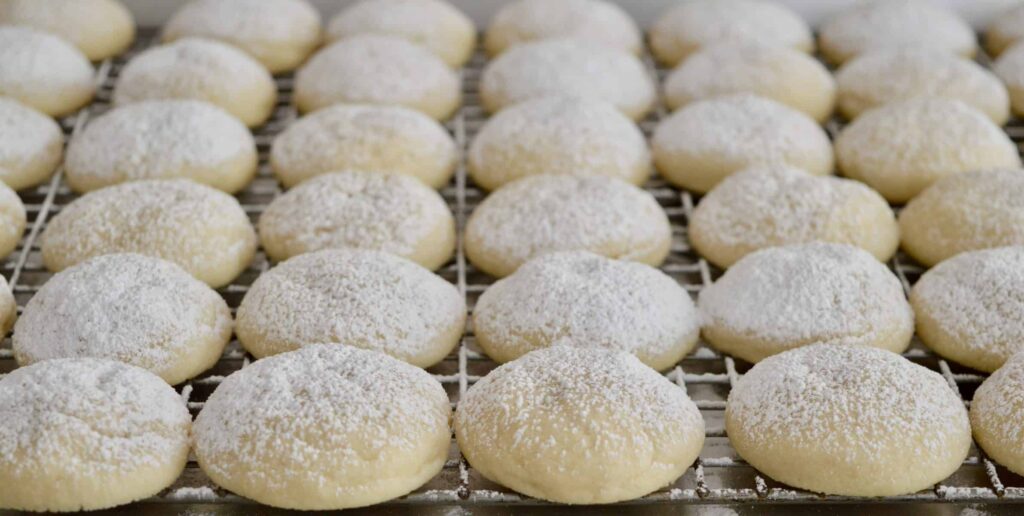
The earliest records of cookies come from 7th-century Persia (modern-day Iran), a region known for its vast empire and wealth. Persia was one of the first places where sugar was cultivated, which transformed how people enjoyed food. The combination of sugar, flour, and other basic ingredients led to the creation of small, sweet confections. These early cookies were simple, often made by mixing honey, dates, and nuts—a far cry from the more complex cookies of later eras, but a crucial step in the evolution of baked goods.
One of the earliest cookies that still has roots in Persian cuisine today is Koloocheh, a type of cookie filled with dates, cinnamon, cardamom, and walnuts. These cookies were often used as part of religious ceremonies and celebrations, marking their importance in both the kitchen and the cultural practices of ancient Persia. While enjoying these treats, you might want to relax in a cozy, hooded plush bathrobe for men to complete the experience.
Honey was another key ingredient in many ancient cookies, as sugar was not widely available outside Persia until much later. Honey was often used as a sweetener and binder, giving cookies a chewy texture that many of us still enjoy today.
Roman Delights: A Taste of the Empire
As the Persian Empire grew, so did the spread of their culinary traditions. When the Roman Empire expanded into Persian territories, they brought back not only treasures but also new foods and recipes. Romans had their own versions of cookies, known as “libum” and “globuli”. These early versions were small cakes or biscuits that were often sweetened with honey and flavored with cheese or seeds.
Libum, a small sacrificial cake, was often made with simple ingredients like flour, honey, and ricotta cheese. It was primarily used in religious offerings but eventually became popular among Roman citizens as a treat. Globuli, on the other hand, were small dough balls that were fried and then covered in honey. The texture would have been quite different from what we think of as a cookie today, but the concept of a sweet, bite-sized treat is familiar. In modern times, some may even compare them to ice cream cone edibles extra strong, offering a unique and indulgent experience.
The Romans were also instrumental in spreading cookie recipes across their vast empire. Their love for these small confections traveled with their armies and merchants, reaching as far as Britain, France, and Northern Africa.
Middle Eastern Influence: The Almond Cookie

As we move further into the Middle Ages, we see the influence of Middle Eastern cooking on European palates. The Almond cookie became particularly popular during this time, as almonds were a common ingredient in Middle Eastern desserts. The Arabs were known for their refined use of sugar, honey, and nuts, which contributed to the development of more sophisticated cookie recipes.
Ma’amoul, an ancient cookie still enjoyed in many Middle Eastern countries today, is a wonderful example of this influence. Made with a semolina or wheat flour dough and stuffed with dates, nuts, or figs, Ma’amoul is typically baked in special molds that give the cookie a distinct and intricate design. These cookies were often made to celebrate religious holidays such as Eid and Easter, continuing the tradition of cookies being used for special occasions. Just as traditions endure, modern tools like pharmacy management software help streamline essential processes, ensuring efficiency in contemporary practices.
As the Islamic Empire expanded into Southern Europe, particularly Spain and Sicily, their cookie recipes spread as well. This was the beginning of a rich exchange of flavors and techniques between the Islamic world and Christian Europe.
Medieval Europe: The Rise of Spiced Cookies
By the Middle Ages, Europe was already familiar with cookies thanks to the Crusades, which brought many Middle Eastern foods to the West. However, it wasn’t until the introduction of spices from the East that cookies truly began to evolve into the rich, flavorful treats we recognize today. Similarly, the evolution of financial services, such as those offered by the top mortgage companies in Raleigh NC, has helped shape modern homeownership with innovative solutions and personalized options.
Ginger, cinnamon, nutmeg, and cloves became central to European cookie recipes, especially during the colder months when spices were used not only for flavor but also for their supposed medicinal properties. Medieval bakers created a variety of spiced cookies, many of which were served at royal courts and during religious holidays.
One such cookie is the gingerbread, which dates back to the 11th century. Originally, it wasn’t the soft cookie we think of today but a hard, crisp confection made from ginger, bread crumbs, and honey. Over time, gingerbread evolved into various forms, from thin wafers to intricately designed houses, but its spiced origins remain unchanged. In recent years, there have been creative twists on traditional treats, such as sex enhancement waffle cones, adding a unique flavor to the classic.
The Medieval French Macaron is another example of how ancient cookies began to take on more complex flavors and textures. While today’s macarons are delicate, almond-based cookies filled with ganache or buttercream, their medieval ancestor was a much simpler almond cookie, sometimes flavored with spices like cinnamon or anise.
The Spice Trade and Cookie Evolution
By the 16th century, Europe’s exploration of the world had given rise to a booming spice trade, which had a profound impact on European baking. Spices like vanilla, cinnamon, and nutmeg became widely available, and sugar was more accessible than ever before. This era also saw the introduction of new ingredients like chocolate and citrus, which quickly found their way into cookie recipes. In a similar way, new technologies such as ceramic coating in Phoenix have made significant advancements in enhancing surface protection today.
One of the most notable cookies to emerge during this time is the Amaretti from Italy. These almond-based cookies have a light, airy texture thanks to the addition of egg whites, and their delicate sweetness comes from almond paste. Originally from Venice, Amaretti cookies were enjoyed by Italian nobility and became a favorite during holidays and special occasions.
Spain also contributed to the world of ancient cookies with Polvorones, crumbly shortbread-like cookies made from almond flour, sugar, and lard. These cookies, often flavored with cinnamon and lemon, were traditionally made during Christmas and continue to be a festive favorite in Spain and many Latin American countries. In addition to its rich culinary heritage, Spain’s influence extends to various home improvements, such as custom bathroom cabinets in Oklahoma, blending tradition with modern craftsmanship.
Colonial America and the Cookie Renaissance
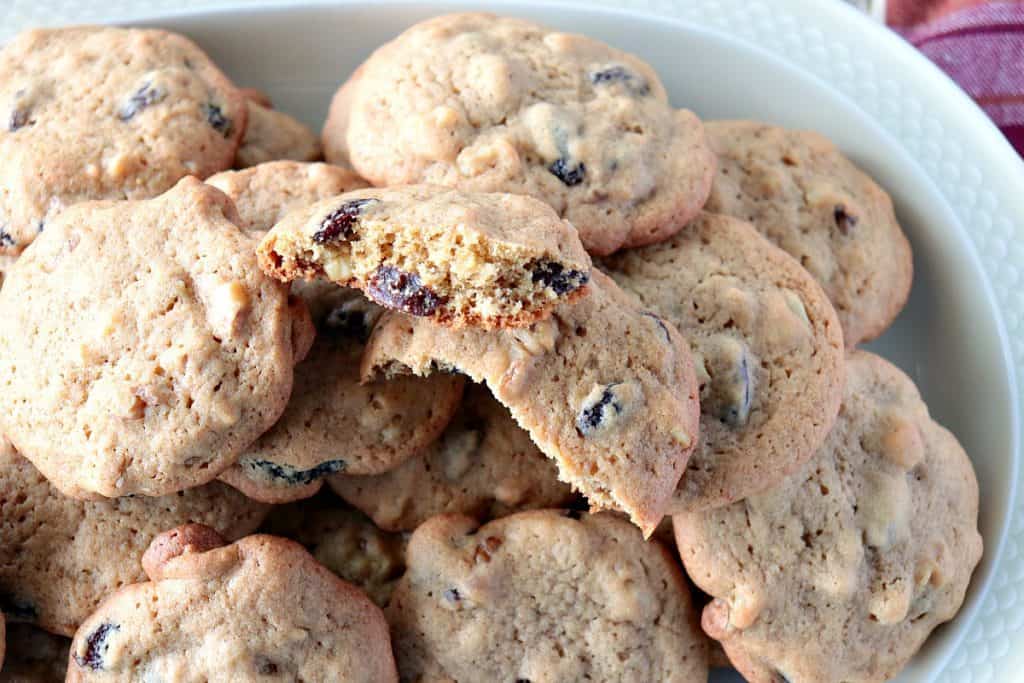
By the time European settlers arrived in the New World, they brought with them centuries of cookie-making traditions. However, the abundant resources of Colonial America—particularly wheat, sugar, and butter—allowed cookies to flourish in new and exciting ways.
One of the most famous early American cookies is the Snickerdoodle, which likely originated in Germany. These simple sugar cookies, rolled in a cinnamon-sugar mixture, became wildly popular in Colonial kitchens due to their affordability and ease of preparation. The name “Snickerdoodle” may sound whimsical, but its origins reflect the cross-cultural influences that shaped early American baking.
Another early American cookie is the Shrewsbury Cake, a rich butter cookie that was brought over by English settlers. Named after the town of Shrewsbury in England, this cookie was made with butter, sugar, flour, and eggs and was often flavored with rosewater or nutmeg. These cookies were a staple of Colonial households and a sign of the growing American love for baked goods.
The Timeless Appeal of Ancient Cookies
While the ingredients and techniques may have changed over the centuries, the appeal of cookies has remained constant. Cookies connect us to our history, offering a delicious glimpse into the culinary traditions of the past. From the simple honey and nut confections of ancient Persia to the spiced gingerbreads of medieval Europe, cookies have always been a symbol of celebration, hospitality, and indulgence.
As we enjoy cookies today, we are not just savoring their sweet flavors—we are partaking in a tradition that spans cultures and millennia. Whether you prefer a chewy chocolate chip or a delicate almond macaron, the next time you take a bite of your favorite cookie, remember that you are enjoying a treat with ancient and noble origins.
Cookies have stood the test of time, evolving with each generation while maintaining their core essence: simple, delightful, and endlessly satisfying. So, why not try baking one of these ancient cookie recipes yourself? It’s a delicious way to experience history firsthand and connect with the flavors of the past.