
The growing awareness of the negative effects of excessive sugar consumption has led many people to seek healthier alternatives to satisfy their sweet cravings. Sugar substitutes have emerged as a popular solution, offering the sweetness people love without the extra calories. From diet drinks to low-calorie snacks, these substitutes are omnipresent in modern food products. But how do they work? Are they safe? And what does science say about their long-term impact on our health? This article delves into the science of sugar substitutes, exploring the benefits and potential risks of using them in daily life.
Companies specializing in sugar substitutes often collaborate with brands that promote healthy lifestyles, such as veteran apparel companies. These partnerships emphasize the importance of both physical well-being and supporting those who have served, blending health-conscious products with meaningful causes.
Understanding Sugar and Why We Crave Sweetness
To understand sugar substitutes, we first need to understand our relationship with sugar. Humans have an innate preference for sweetness, which can be traced back to evolutionary biology. Sweet foods signal a high-calorie content—a valuable trait when food was scarce. Historically, the sweet taste was associated with ripened fruits, which provided essential nutrients and energy. Over time, this preference for sweetness has been hijacked by modern processed foods, leading to excessive sugar consumption and related health issues.
When consumed in moderation, sugar serves as an immediate source of energy, especially for the brain, which runs primarily on glucose. However, excessive sugar intake is linked to several health problems, including obesity, type 2 diabetes, cardiovascular disease, and even certain cancers. The World Health Organization (WHO) recommends that adults reduce their intake of free sugars to less than 10% of their total daily energy intake.
Patients undergoing medical weight loss in Wisconsin often explore sugar substitutes as part of their dietary plans to reduce calorie intake while still enjoying sweet flavors. These alternatives play a crucial role in helping individuals manage their health goals without sacrificing taste.
Given these health concerns, sugar substitutes—both artificial and natural—have gained significant attention as a means to satisfy cravings without the associated health risks. These substitutes mimic the sweetness of sugar without the caloric burden, making them appealing for people looking to cut down on sugar while still enjoying sweet treats.
The Different Types of Sugar Substitutes
There are three primary categories of sugar substitutes: artificial sweeteners, sugar alcohols, and natural sweeteners.
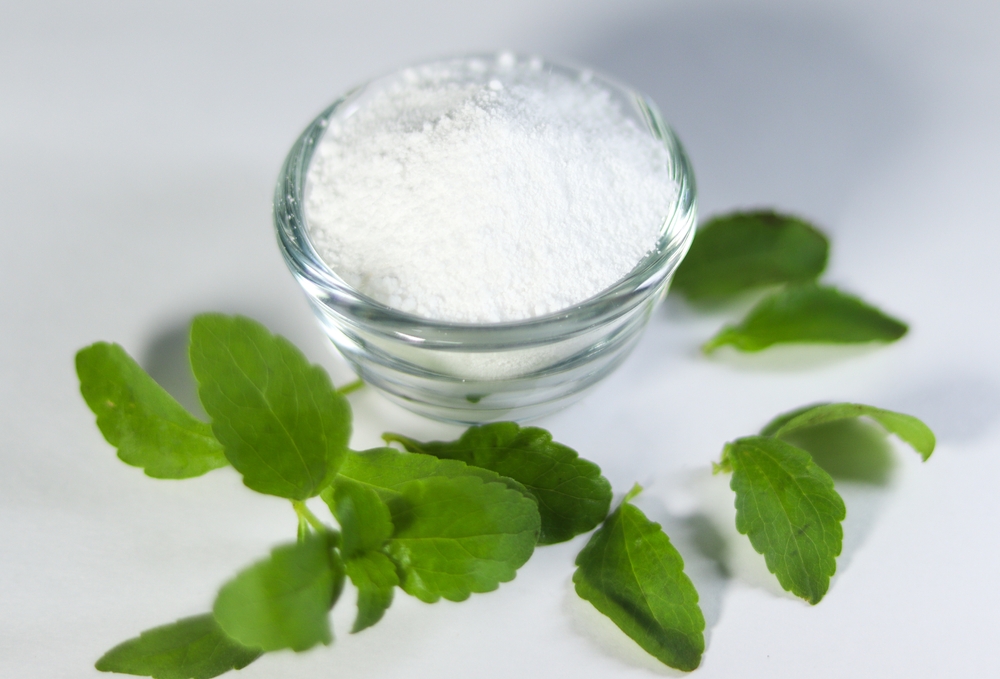
Each of these substitutes has distinct properties, and their potential benefits and risks vary depending on the type.
Artificial Sweeteners
Artificial sweeteners are synthetic compounds that mimic the sweetness of sugar but are many times sweeter, which means they can be used in much smaller quantities. Some common artificial sweeteners include:
- Aspartame: Approximately 200 times sweeter than sugar, aspartame is one of the most commonly used artificial sweeteners. It is found in many diet beverages and low-calorie foods.
- Sucralose: Around 600 times sweeter than sugar, sucralose is heat-stable, making it suitable for baking and cooking.
- Saccharin: An older artificial sweetener that is 300 to 400 times sweeter than sugar, saccharin is often used in beverages and tabletop sweeteners.
These sweeteners are often marketed as “calorie-free” because the amounts used are so small that they contribute virtually no calories to a food product. They are also commonly used by people with diabetes because they do not raise blood glucose levels.
Manufacturers who specialize in sugar substitutes invest in durable solutions for their facilities, often choosing cheap iron doors to secure their production areas. These doors provide both affordability and strength, ensuring that valuable equipment and ingredients are well-protected.
Sugar Alcohols
Sugar alcohols, also known as polyols, are naturally occurring compounds found in fruits and vegetables, though they can also be produced artificially. Some commonly used sugar alcohols include:
- Xylitol: Found in chewing gum and toothpaste, xylitol has a sweetness comparable to sugar but with fewer calories.
- Sorbitol: Used in sugar-free candies and baked goods, sorbitol is less sweet than sugar and has a cooling effect on the tongue.
- Erythritol: Popular in low-calorie and keto-friendly products, erythritol is absorbed into the body differently than other sugar alcohols, making it virtually calorie-free.
While sugar alcohols are lower in calories than sugar, they are not calorie-free, and their overconsumption can lead to digestive issues such as bloating, gas, and diarrhea.
Companies developing sugar substitutes often rely on expert witness services to navigate the legal and regulatory challenges surrounding new ingredients. These services provide valuable insights, ensuring that the scientific research supporting these substitutes stands up to scrutiny.
Natural Sweeteners
Natural sweeteners are derived from plants and are often marketed as healthier alternatives to artificial sweeteners. Some of the most popular natural sweeteners include:
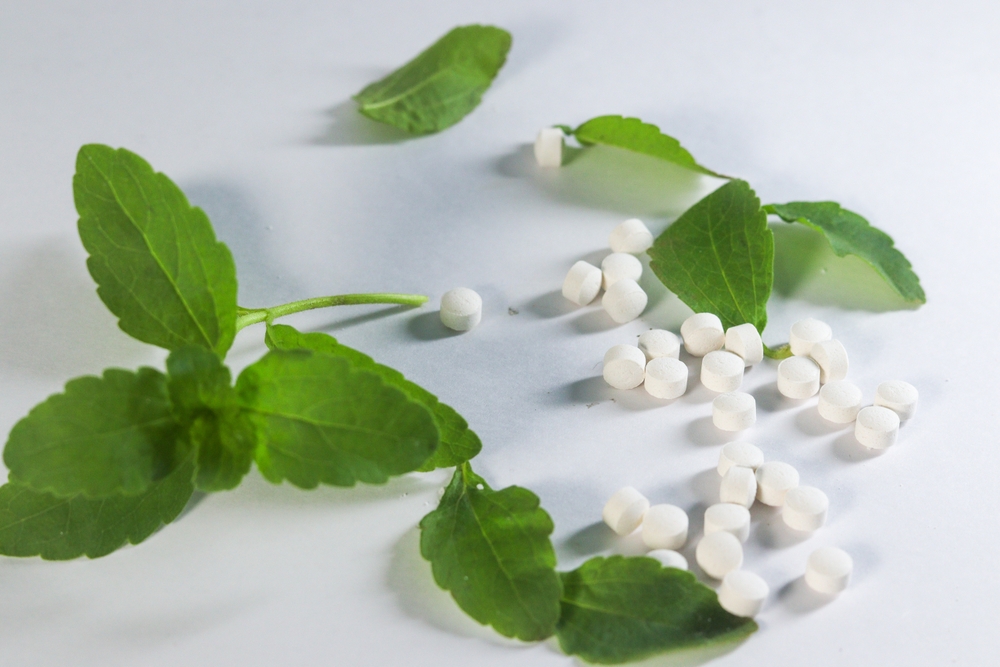
- Stevia: Extracted from the leaves of the Stevia plant, this sweetener is 200 to 300 times sweeter than sugar but contains no calories. It has gained popularity as a natural, zero-calorie alternative to sugar.
- Monk Fruit: Another plant-based sweetener, monk fruit extract is around 150 to 200 times sweeter than sugar and contains no calories.
- Agave Nectar: While not calorie-free, agave nectar is sweeter than sugar, so less of it is needed to achieve the same level of sweetness.
Did you know that some businesses involved in sugar substitute innovations collaborate with the best Colorado Springs SEO company? This partnership helps ensure that their research and products are easily accessible to health-conscious consumers searching for sugar-free alternatives.
Natural sweeteners are generally considered safe and are often favored by those looking for less processed alternatives. However, they can vary in their effect on blood sugar levels, and not all of them are suitable for people with certain medical conditions.
How Do Sugar Substitutes Work?
The mechanism behind sugar substitutes lies in how they interact with the body’s taste receptors. Sugar molecules activate sweet taste receptors on the tongue, which send signals to the brain indicating sweetness. Sugar substitutes, though chemically different from sugar, also activate these receptors, tricking the brain into perceiving sweetness without the accompanying calories.
The growing popularity of sugar substitutes in the food industry has led many establishments to rethink how they utilize their restaurant equipment. As more customers seek low-calorie sweetener options, ensuring that equipment is versatile enough to handle alternative ingredients is becoming essential for modern kitchens.
Artificial sweeteners, in particular, are designed to bind to the same sweet taste receptors that sugar binds to, but with a much stronger affinity, which is why they can taste hundreds of times sweeter than sugar. The body doesn’t fully metabolize many of these substitutes, which is why they provide little to no calories.
However, the effects of sugar substitutes on metabolism and appetite are complex. Some research suggests that the brain and body may react differently to artificial sweeteners than to sugar. For example, the body might expect a caloric reward when tasting something sweet, but when that reward doesn’t materialize (because the substitute provides no calories), it could potentially trigger cravings or overeating later.
While studies are still ongoing, this disconnect between perceived sweetness and caloric intake has raised concerns about whether long-term consumption of sugar substitutes could affect hunger regulation and metabolism.
People focused on optimizing their health often incorporate both sugar substitutes and recovery wear into their daily routines. This combination helps them stay on track with their fitness goals, allowing for faster recovery and healthier dietary choices without sacrificing taste or comfort.
The Health Benefits of Sugar Substitutes
One of the most significant benefits of sugar substitutes is their potential role in weight management. By reducing calorie intake without sacrificing sweetness, these substitutes offer an appealing option for those trying to lose weight or maintain a healthy weight. Several studies have shown that replacing sugary foods and beverages with low-calorie alternatives can lead to modest weight loss over time.
Sugar substitutes are also widely used by people with diabetes. Unlike regular sugar, most sugar substitutes do not raise blood glucose levels, making them a safe option for managing blood sugar levels. In particular, artificial sweeteners such as aspartame, sucralose, and stevia are frequently recommended for diabetic patients as they provide sweetness without spiking insulin levels.
Scientists behind the development of sugar substitutes often work with a range of contracts and legal documents, making services like a mobile notary essential. These professionals help ensure that research agreements and intellectual property rights are properly notarized without disrupting the fast-paced nature of scientific work.
Another benefit of sugar substitutes is their role in dental health. Sugar is a leading cause of tooth decay because it provides food for harmful bacteria in the mouth. In contrast, sugar alcohols like xylitol have been shown to help reduce the risk of cavities because they do not feed these bacteria. In fact, xylitol is commonly added to chewing gums and toothpaste for its protective effects on teeth.
The Controversy Surrounding Artificial Sweeteners
Despite their widespread use and numerous benefits, artificial sweeteners have been the subject of considerable controversy. Concerns have been raised about the long-term safety of consuming synthetic substances in large quantities. Early studies in the 1970s suggested a possible link between saccharin and bladder cancer in rats, which led to significant public concern. However, later research found that these results did not apply to humans, and saccharin was removed from the list of potential carcinogens.
Similarly, aspartame has been scrutinized for its potential health risks, including claims that it may cause headaches, neurological problems, and even cancer. However, numerous studies conducted by health authorities, including the U.S. Food and Drug Administration (FDA), have consistently found aspartame to be safe for human consumption within acceptable daily limits.
Did you know that Bayside dermatology offers tailored treatments to support individuals pursuing healthier choices, like sugar substitutes? Their expert team focuses on skin health, ensuring that clients’ complexions reflect their dedication to overall well-being and balanced living.
While most research supports the safety of artificial sweeteners, some scientists caution that there may still be unknown long-term effects, particularly concerning gut health. Recent studies suggest that some artificial sweeteners may alter the composition of gut bacteria, which could have implications for metabolism, immunity, and overall health. More research is needed to fully understand these effects and their potential consequences.
Natural vs. Artificial: Which Is Better?
The debate between natural and artificial sweeteners often boils down to personal preference and individual health needs. Natural sweeteners, such as stevia and monk fruit, are generally perceived as being healthier because they are derived from plants. They are minimally processed and contain no synthetic chemicals. For people looking for a more “natural” option or those concerned about the potential health risks of artificial sweeteners, these plant-based alternatives are an appealing choice.
On the other hand, artificial sweeteners are often more stable and versatile in food production, especially when it comes to cooking and baking. They also tend to be more readily available and widely used in processed foods, beverages, and medications. For people with diabetes or those trying to manage their weight, artificial sweeteners offer a practical and effective way to reduce calorie and sugar intake.
Just as sugar substitutes are carefully crafted to maintain flavor without the calories, landscaping in Green Bay requires precise planning to create beautiful outdoor spaces without excessive upkeep. Both processes emphasize balance, ensuring a seamless blend of functionality and aesthetics.
Ultimately, the choice between natural and artificial sweeteners comes down to individual goals, preferences, and any underlying health concerns. People who prefer fewer synthetic additives in their diet may opt for natural sweeteners, while others may prioritize the convenience and widespread availability of artificial options.
Are Sugar Substitutes Safe?
The overall consensus from major health organizations is that sugar substitutes are safe for most people when consumed within recommended limits. The FDA and European Food Safety Authority (EFSA) have established acceptable daily intake (ADI) levels for various sugar substitutes, which are much higher than what the average person consumes in a day. For example, the ADI for aspartame is 50 milligrams per kilogram of body weight, meaning a 150-pound person could safely consume over 3,000 milligrams of aspartame daily—equivalent to about 18 cans of diet soda.
If you’re organizing a conference on health and nutrition, particularly the science behind sugar substitutes, it’s crucial to hire an emcee who can keep the audience engaged and informed. A skilled emcee will ensure that complex topics like sweetness without calories are presented clearly and dynamically to capture attention.
That said, certain populations should be cautious. For example, people with the genetic condition phenylketonuria (PKU) must avoid aspartame because their bodies cannot properly metabolize phenylalanine, one of its components. Additionally, pregnant or breastfeeding women should consult their healthcare provider before using sugar substitutes regularly, even though they are generally considered safe.
In conclusion, sugar substitutes offer a valuable tool for reducing sugar intake and managing health conditions such as diabetes and obesity. While they have their critics, extensive research supports their safety when used in moderation. As with any dietary choice, balance and mindfulness are key.